

Vaping has become increasingly common among both current and former smokers, leading many people to wonder whether their dentist can tell if they use e-cigarettes. Unlike traditional cigarettes, vaping doesn't leave behind the strong smell or heavy tar stains that are easy to recognize. However, that doesn't mean it's invisible during a dental checkup.
Dentists are trained to identify subtle changes in the mouth that may be linked to nicotine use or frequent vaping, including dry mouth, gum irritation, plaque buildup, and delayed healing. While these signs alone cannot prove someone vapes, they can provide valuable clues when combined with a patient's medical history and oral examination.
In this guide, you'll learn whether dentists can tell if you vape, what oral signs they look for, how vaping may affect your teeth and gums, and what current research says about the relationship between e-cigarettes and oral health.
How Can Dentists Tell If You Vape?
Dentists evaluate your mouth for patterns rather than one single symptom. Several oral changes commonly appear in frequent vapers.
1. Dry Mouth (Xerostomia)
One of the earliest and most common signs is reduced saliva production.
Many vape liquids contain propylene glycol (PG), a humectant that absorbs moisture. Combined with nicotine, vaping may leave your mouth feeling unusually dry.
Reduced saliva can increase the risk of:
- Tooth decay
- Bad breath
- Plaque buildup
- Gum irritation
- Mouth sores
A dentist may notice these changes during a routine examination.
2. Gum Inflammation
Nicotine narrows blood vessels, reducing blood flow to the gums.
Ironically, this can sometimes make gum disease appear less severe because bleeding is reduced, even while tissue damage continues underneath.
Dentists often look for:
- Receding gums
- Swollen gum tissue
- Deep periodontal pockets
- Slow healing after dental procedures
3. Increased Plaque and Tartar
Some studies suggest vaping may alter the balance of bacteria in the mouth.
Changes in the oral microbiome may contribute to:
- More plaque accumulation
- Increased tartar formation
- Higher risk of gingivitis
- Persistent bad breath
Professional cleanings often reveal these patterns.
4. Tooth Discoloration
Although vaping generally causes less staining than smoking combustible cigarettes, it is not completely stain-free.
Potential causes include:
- Nicotine oxidation
- Dark-colored e-liquids
- Coffee or tea consumed alongside vaping
- Increased plaque retention
Yellowing tends to develop gradually with long-term use.
5. Delayed Healing
Dentists sometimes notice slower healing after:
- Tooth extractions
- Dental implants
- Gum surgery
Nicotine reduces circulation and oxygen delivery, which may delay tissue repair.
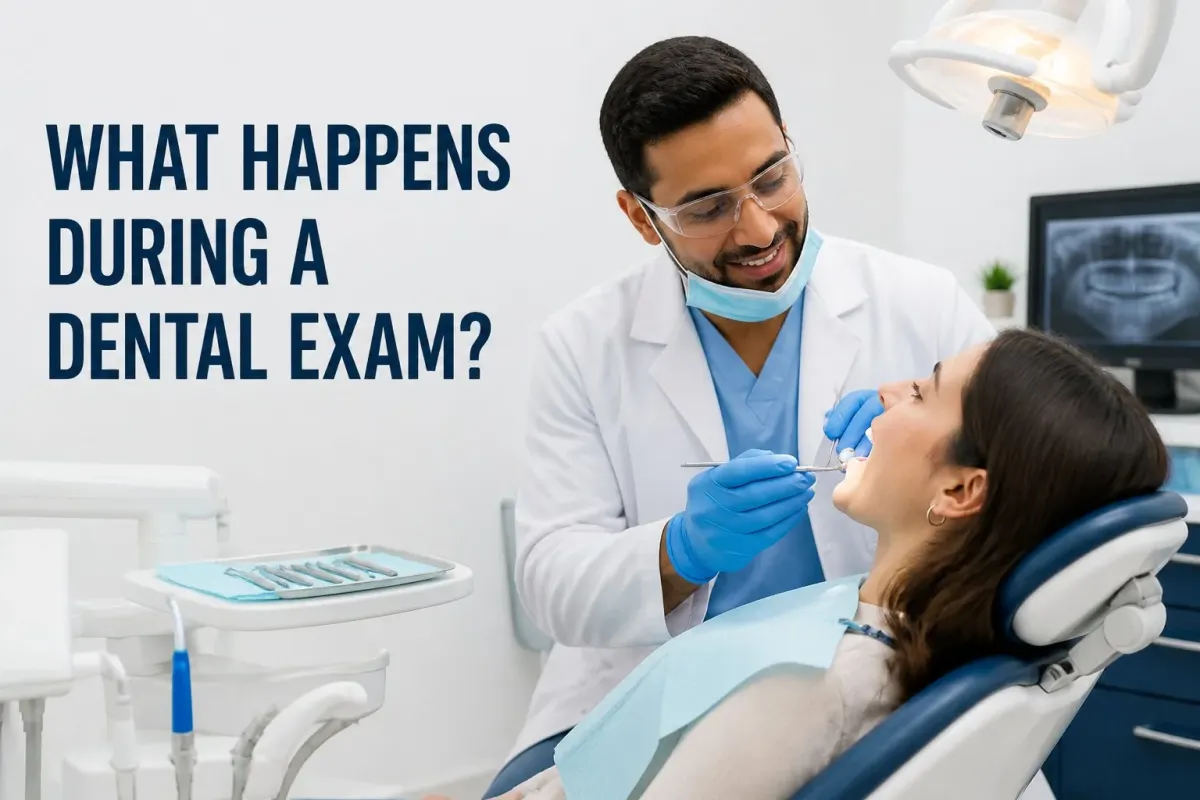
What Happens During a Dental Exam?
During a routine appointment, your dentist typically checks:
- Teeth
- Gums
- Tongue
- Cheeks
- Roof of the mouth
- Saliva levels
- Bite alignment
- Signs of oral cancer
If vaping is suspected, they may ask questions such as:
- Do you use tobacco products?
- Do you vape nicotine?
- How often do you vape?
- Do you use disposable or refillable devices?
These questions help evaluate risk factors rather than judge personal habits.
Can Dentists Smell Vape?
Unlike cigarette smoke, vape aerosol leaves much less persistent odor.
However, immediately after vaping, dentists may notice scents such as:
- Mint
- Fruit
- Dessert flavors
- Menthol
The smell usually fades quickly, making odor alone an unreliable indicator.
Can Dentists Test for Nicotine?
No—not during a standard dental checkup.
Routine dental visits do not include laboratory testing for nicotine.
Specialized tests can detect nicotine or cotinine in:
- Saliva
- Blood
- Urine
These tests are generally performed for medical research, insurance purposes, smoking cessation programs, or specific clinical situations—not regular dental appointments.
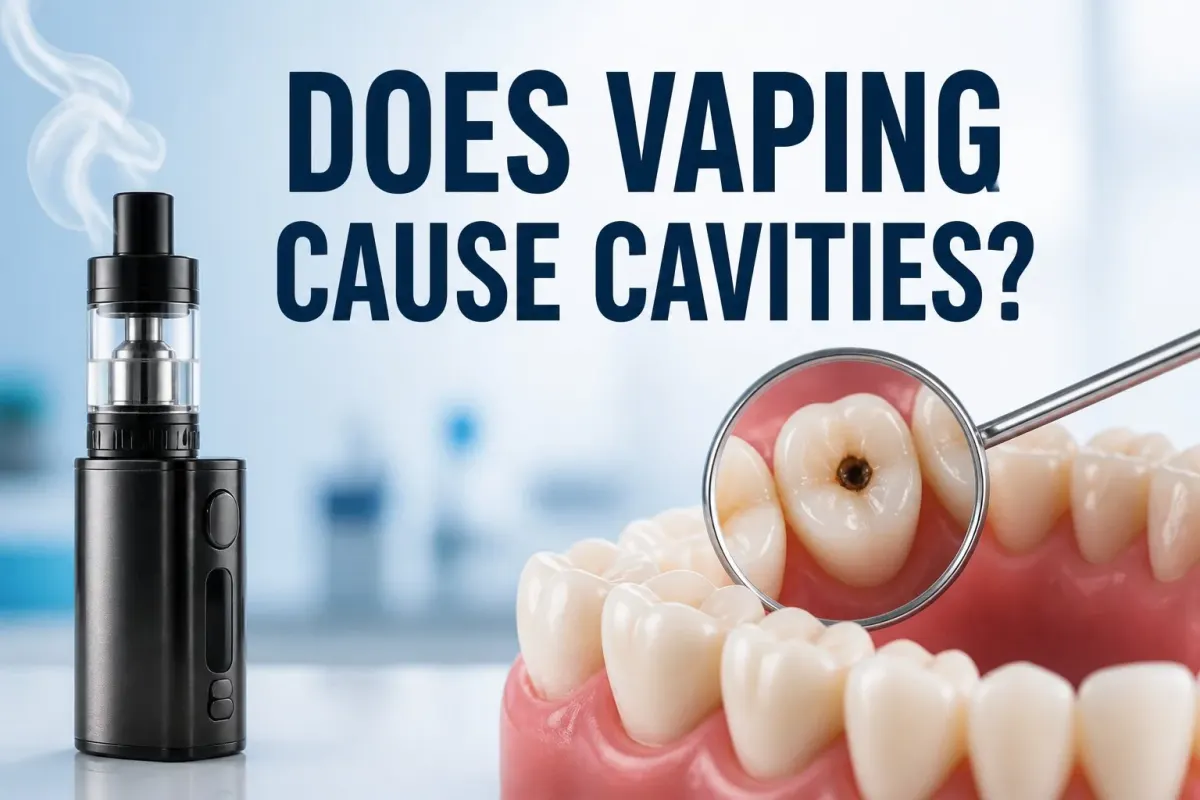
Does Vaping Cause Cavities?
Vaping itself does not directly create cavities, but it can increase several risk factors.
1. Dry Mouth
Saliva protects teeth by:
- Neutralizing acids
- Washing away bacteria
- Rebuilding enamel
Less saliva means higher cavity risk.
2. Sweet Flavorings
Many vape liquids use sweet flavor compounds that may encourage bacterial growth, although they do not contain sugar in the same way as sugary drinks.
3. Oral Bacteria Changes
Emerging research suggests vaping may alter the oral microbiome, potentially increasing harmful bacteria associated with tooth decay and gum disease.
Can Dentists Tell the Difference Between Smoking and Vaping?
Traditional cigarette smokers typically present with:
- Heavy brown staining
- Strong tobacco odor
- More severe gum recession
- Higher rates of periodontal disease
- Greater risk of oral cancer
Vapers more commonly show:
- Dry mouth
- Mild staining
- Gum irritation
- Localized inflammation
- Less obvious odor
However, many patients both smoke and vape, making diagnosis more complex.
Should You Tell Your Dentist That You Vape?
Sharing accurate health information allows your dentist to:
- Recommend appropriate cleanings
- Monitor gum health more closely
- Improve treatment planning
- Reduce complications after procedures
- Provide personalized oral hygiene advice
Healthcare professionals are primarily focused on improving your health rather than judging lifestyle choices.
How to Protect Your Teeth If You Vape
If you currently vape, these habits may help reduce oral health risks:
- Brush twice daily with fluoride toothpaste.
- Floss every day.
- Stay hydrated to reduce dry mouth.
- Visit your dentist every six months.
- Limit sugary drinks and snacks.
- Consider alcohol-free mouthwash if recommended.
- Discuss nicotine reduction or cessation options with your healthcare provider if you're interested.
These practices support overall oral health regardless of nicotine use.
Conclusion
Dentists cannot identify vaping with absolute certainty, but experienced clinicians can often recognize oral changes commonly associated with regular e-cigarette use. Dry mouth, gum inflammation, plaque buildup, delayed healing, and mild tooth staining are among the most common indicators.
Because many of these signs overlap with other health conditions, the most effective approach is to discuss your vaping habits openly with your dentist. Honest communication helps ensure accurate diagnosis, personalized preventive care, and better long-term oral health outcomes.
FAQs
1. Can dentists tell if you vape without you telling them?
They may suspect regular vaping based on oral signs such as dry mouth, gum irritation, plaque buildup, and delayed healing, but they generally cannot confirm vaping with certainty during a routine dental examination.
2. Is vaping better for your teeth than smoking?
Current evidence suggests vaping generally causes fewer stains and exposes users to fewer combustion-related toxins than cigarette smoking. However, vaping is not risk-free and may still contribute to dry mouth, gum disease, and changes in the oral microbiome.
3. Does nicotine-free vaping affect oral health?
Even nicotine-free e-cigarettes may contribute to dry mouth and oral irritation because ingredients such as propylene glycol and certain flavorings can affect saliva and soft tissues. More long-term research is still needed.
4. Can vaping cause gum disease?
It may increase the risk. Nicotine can reduce blood flow to gum tissue, while vaping-related changes in oral bacteria may contribute to inflammation and periodontal disease over time.
5. How long after quitting vaping does oral health improve?
Some improvements, such as increased saliva production and reduced gum irritation, may begin within weeks after quitting. Recovery varies depending on the duration of vaping, nicotine exposure, oral hygiene, and overall health. Regular dental checkups can help monitor progress.
References
[1] About E-Cigarettes (Vapes)
[3] Dry Mouth