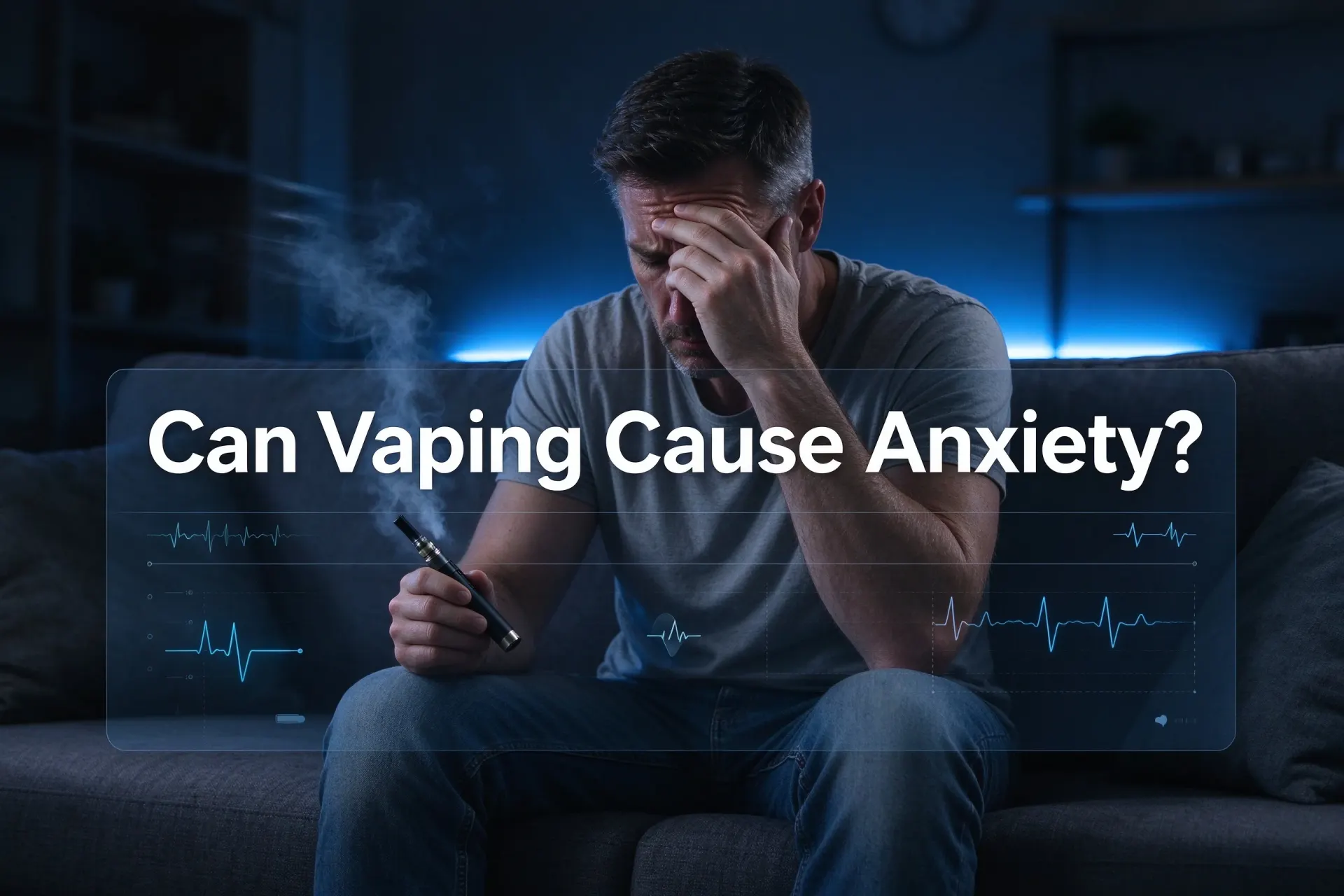

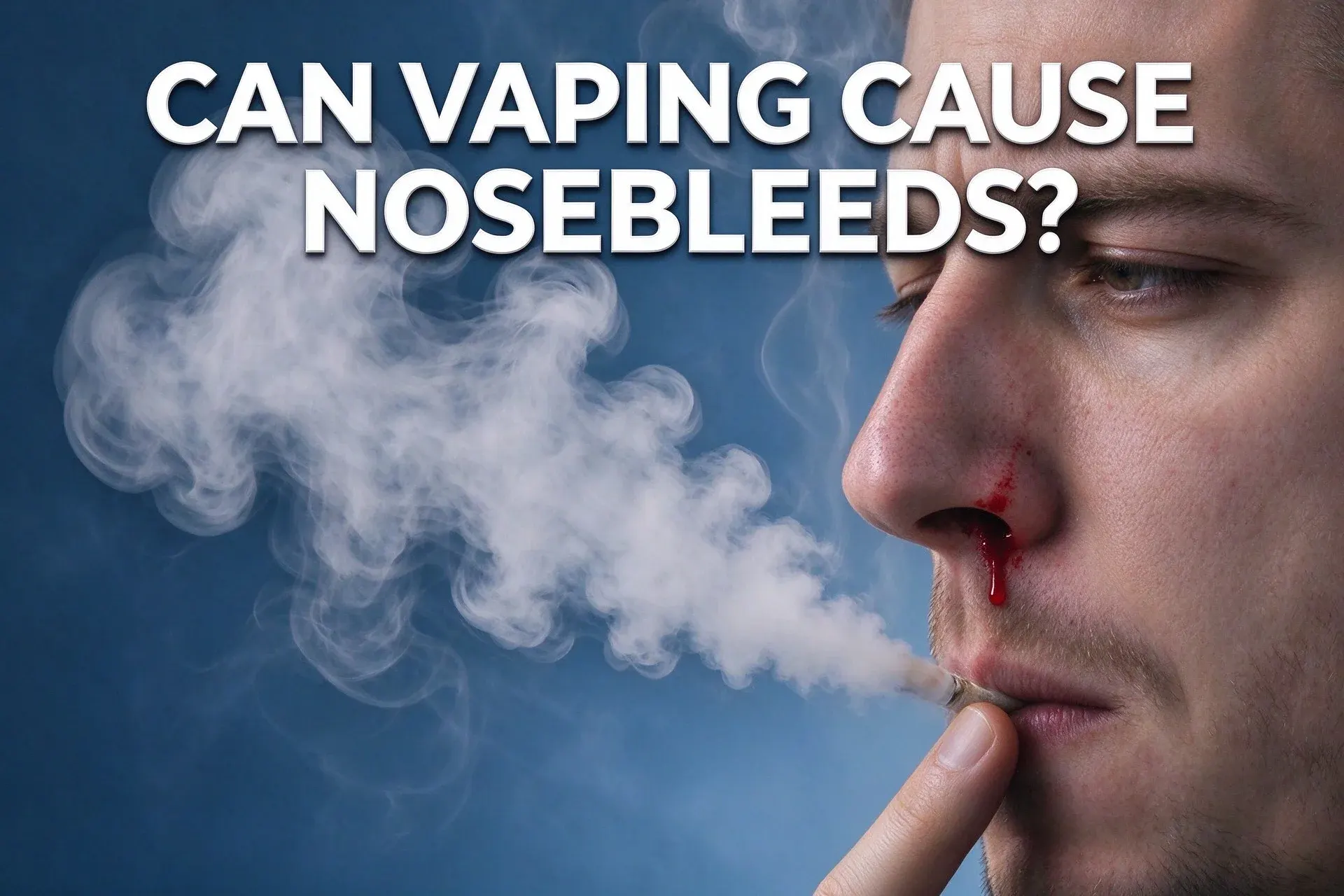
Nobody expects a vaping session to end with a tissue pressed against their nose. Yet if you've noticed a little blood after vaping, you might be wondering whether your vape is responsible or whether your nose has simply decided to cause trouble.
At SKE, we believe understanding how vaping may affect your body is just as important as understanding how a device works. So, let's get straight to the question: Can vaping cause nosebleeds?
The short answer is that vaping may contribute to nasal irritation, which could make the delicate blood vessels inside your nose more vulnerable to bleeding. However, current evidence does not establish nosebleeds as a direct, common consequence of vaping.
Research published in medical journals has found that e-cigarette aerosol can affect nasal epithelial cells and trigger inflammatory responses. Meanwhile, medical authorities identify dry nasal membranes, allergies, infections, and minor injuries as common causes of nosebleeds.
In other words, vaping might be part of the problem, but it isn't necessarily the only suspect. Here's what the research tells us, what else might be happening, and what you should do if your nose starts bleeding.
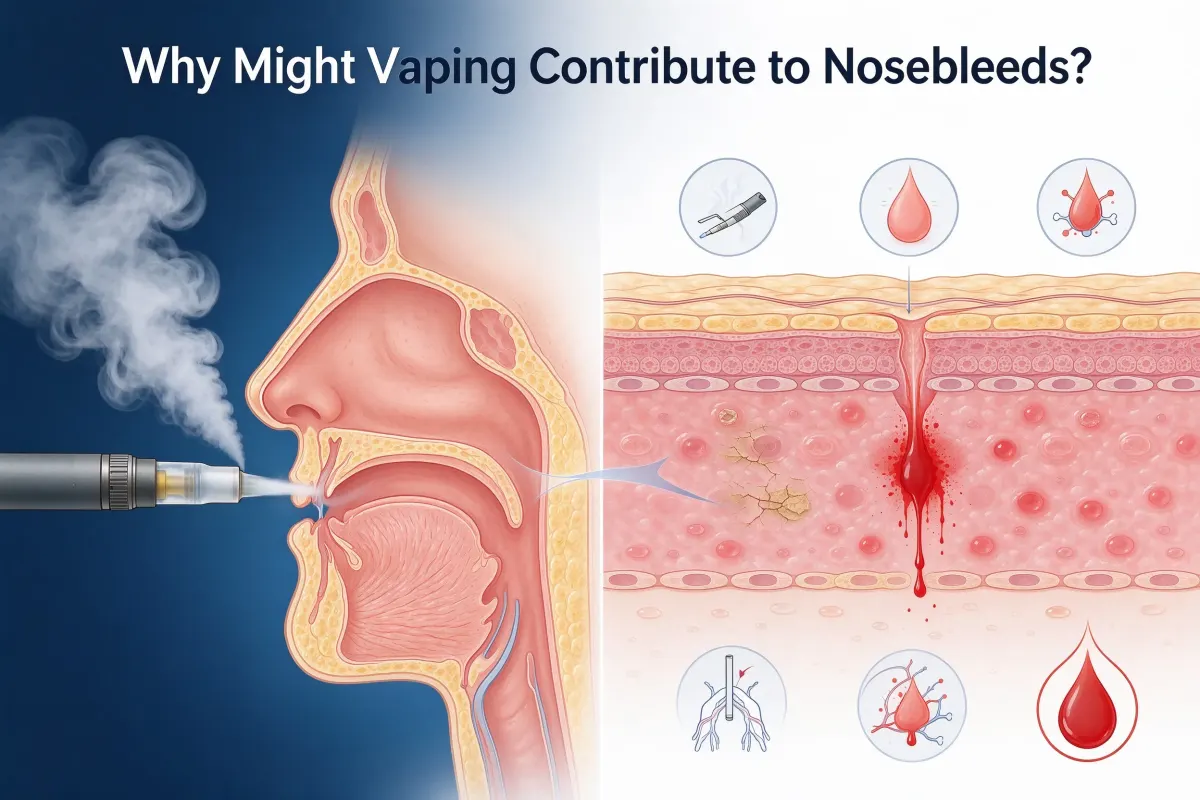
Why Might Vaping Contribute to Nosebleeds?
Several mechanisms could help explain why some people experience nasal irritation while vaping. The strength of the evidence varies, and none of these mechanisms proves that vaping is responsible for an individual nosebleed.
1. Nasal Irritation From E-Cigarette Aerosol
Your nose is more than an air-conditioning system for your lungs. Its lining also acts as a protective barrier against particles, microorganisms, and other substances entering the respiratory tract.
Research suggests that exposure to e-cigarette aerosol can affect this protective tissue.
A 2020 study published in the American Journal of Otolaryngology examined the effects of e-cigarette aerosol on human nasal epithelial cells and engineered nasal mucosal tissue.
The researchers observed changes in cell structure, reduced cellular proliferation, and increased levels of several inflammatory markers, including IL-6, IL-8, TNF-α, and MCP-1.
These findings indicate that e-cigarette aerosol can affect nasal tissue under the experimental conditions studied.
Why does that matter?
When the nasal lining becomes irritated or inflamed, it may be more vulnerable to damage. If a small blood vessel is subsequently disrupted by nose-blowing, sneezing, or another source of trauma, bleeding may occur.
However, the study did not establish that vaping causes nosebleeds in everyday users. It provides evidence of potential nasal tissue effects, not a direct measurement of nosebleed risk.
2. Dryness and Nasal Discomfort
Dry nasal membranes are a well-established risk factor for nosebleeds.
When the lining inside your nose loses moisture, it can become uncomfortable and more susceptible to cracking or minor injury.
Environmental conditions are often responsible. Air conditioning, indoor heating, low humidity, and cold weather can all contribute to nasal dryness.
Could vaping make the situation worse?
It is possible that aerosol exposure contributes to nasal discomfort in some people, particularly when the nasal lining is already irritated. However, evidence that vaping directly dries out the nasal lining enough to cause bleeding remains limited.
It's also important not to confuse a dry mouth or throat after vaping with proven nasal dehydration. These symptoms involve different tissues, and one does not automatically establish the other.
If you experience nasal dryness alongside vaping, pay attention to other possible contributors, including your indoor environment, allergies, and any nasal medications you use.
3. Inflammation of the Nasal Lining
Inflammation is another possible link between vaping and nasal discomfort.
In a 2016 study published in the American Journal of Physiology-Lung Cellular and Molecular Physiology, researchers compared nasal epithelial cells from nonsmokers, cigarette smokers, and e-cigarette users.
The study found changes in immune-related gene expression among e-cigarette users, suggesting that vaping was associated with alterations in the nasal mucosal immune response.
A separate clinical study published in 2022 investigated vegetable glycerin-containing e-cigarette aerosols and their effects on airway function.
The researchers reported changes in nasal measurements and inflammatory markers following exposure. However, the human component was very small, so the findings should be interpreted cautiously.
These studies provide evidence that vaping may affect the nasal lining and its protective functions.
But there is an important distinction: nasal inflammation does not automatically mean that bleeding will occur.
A nosebleed generally requires a blood vessel to break or become damaged. Inflammation may contribute to tissue vulnerability, but the relationship between vaping, nasal inflammation, and actual nosebleed frequency requires further investigation.
4. Nicotine and Blood Vessel Responses
Nicotine affects the cardiovascular system, including heart rate and blood pressure. It can also influence blood vessel function.
Because nosebleeds involve small blood vessels, it may seem logical to assume that nicotine directly causes nasal bleeding.
Unfortunately, the evidence does not support such a simple conclusion.
The relationship between nicotine exposure, blood vessel responses, and nosebleeds is complex. There is currently insufficient evidence to conclude that nicotine in e-cigarettes directly causes nosebleeds through its effects on blood vessels.
The Mayo Clinic also notes that nosebleeds are generally not a symptom of high blood pressure, although some medical conditions and medications can complicate bleeding.
Therefore, if you experience repeated nosebleeds, it is better to investigate the possible causes rather than automatically blaming nicotine or assuming that a change in nicotine strength will solve the problem.
What Else Can Cause Nosebleeds?
Before concluding that vaping is responsible, consider other common causes.
| Possible cause | How it may contribute to nosebleeds |
|---|---|
| Dry air | Dries the nasal lining, making it more vulnerable to cracking and bleeding. |
| Allergies | Inflammation, sneezing, and frequent nose-blowing can irritate nasal tissue. |
| Respiratory infections | Colds and sinus infections can inflame the nasal lining. |
| Frequent nose-blowing | Mechanical pressure can damage small blood vessels. |
| Nose-picking | Fingernails can scratch the delicate tissue inside the nostrils. |
| Nasal medications | Some nasal sprays can contribute to irritation or bleeding, particularly when used incorrectly or too frequently. |
| Blood-thinning medications | Medicines such as warfarin can make bleeding more difficult to control. |
| Nasal injury | Trauma can damage blood vessels and cause bleeding. |
These causes matter because several can occur at the same time.
For example, imagine you're using an e-cigarette while sitting in an air-conditioned room. Your nose is already dry because of low humidity, and seasonal allergies have you sneezing throughout the day.
If a nosebleed occurs, vaping might be one possible contributing factor, but the dry environment and irritated nasal lining may also be involved.
The timing of a nosebleed alone cannot establish its cause.
If bleeding becomes frequent, severe, or difficult to stop, seek medical advice rather than relying on guesswork.
What Should You Do If Your Nose Bleeds After Vaping?
If you experience a nosebleed after vaping, the first priority is to stop the bleeding safely.
Here are the steps recommended by the NHS and Mayo Clinic.
Step 1: Stop Vaping Temporarily
Put your vape aside while you deal with the nosebleed.
If you suspect vaping may be contributing to your symptoms, avoid further exposure while the irritation settles and consider stopping vaping altogether.
Pay attention to whether nasal symptoms recur, but don't deliberately resume vaping to test whether it triggers another episode.
Step 2: Sit Upright and Lean Forward
Sit down and lean slightly forward.
Avoid tilting your head backward. Although this is a common instinct, it can cause blood to run down your throat, potentially making you nauseated or causing you to swallow blood.
Keep breathing through your mouth while you manage the bleeding.
Step 3: Pinch the Soft Part of Your Nose
Using your thumb and index finger, firmly pinch the soft part of your nose just above the nostrils.
Maintain continuous pressure for 10–15 minutes without releasing your grip to check whether the bleeding has stopped.
If necessary, repeat the process.
Follow local medical guidance on when to seek urgent care. The NHS advises emergency assessment when a nosebleed lasts longer than 10–15 minutes, particularly if bleeding is heavy or accompanied by other concerning symptoms. The Mayo Clinic advises emergency care if bleeding continues for more than 30 minutes.
If the bleeding is heavy, you have difficulty breathing, or you feel faint or weak, seek emergency medical assistance rather than waiting for a time threshold.
Step 4: Keep Your Nose Moist
After the bleeding stops, take steps to reduce further irritation.
You can consider:
- Using a saline nasal spray according to its instructions.
- Using a suitable nasal moisturizing gel.
- Running a humidifier if your indoor environment is dry.
- Avoiding picking your nose or blowing it forcefully.
- Avoiding further vaping while you assess the symptoms.
If you use nasal medication or take blood-thinning medication, ask a healthcare professional whether it could be contributing to the bleeding.
Avoid putting objects or tissues deep inside your nostrils, as this can further irritate the tissue.
Step 5: Seek Medical Advice if Bleeding Keeps Happening
An occasional minor nosebleed is common. Repeated bleeding, however, deserves attention.
Arrange a medical appointment if your nosebleeds recur regularly, especially if they happen more than once a week.
Seek urgent medical attention if bleeding is heavy, persists despite sustained pressure, causes dizziness or weakness, affects your breathing, or follows a significant injury.
If you take anticoagulants or have a known bleeding disorder, seek medical advice promptly.
Most importantly, don't assume that every nosebleed after vaping is harmless or that stopping vaping will necessarily resolve the underlying problem.
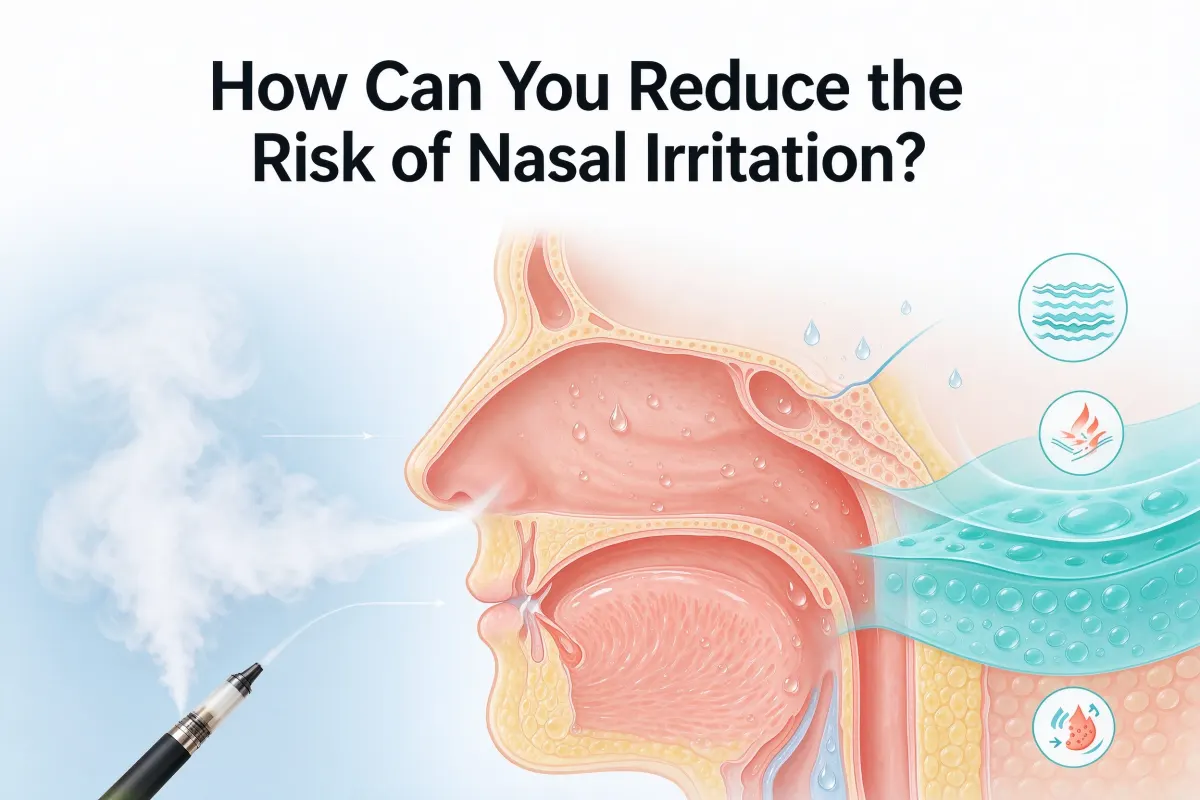
How Can You Reduce the Risk of Nasal Irritation?
There is no established method that makes vaping risk-free or guarantees that nosebleeds will not occur.
However, a few practical steps can help you address potential sources of irritation.
1. Maintain a Comfortable Indoor Environment
Low humidity can dry out the nasal lining.
If your home or workplace has very dry air, a clean humidifier may help maintain a more comfortable environment. Follow the manufacturer's cleaning instructions to prevent the growth of microorganisms.
2. Stay Hydrated
Drink enough fluids throughout the day to maintain normal hydration.
Although staying hydrated is sensible for general health, drinking extra water is not a proven treatment for vaping-related nasal irritation or nosebleeds.
3. Avoid Excessive Nasal Irritation
Avoid picking your nose and blowing it forcefully, particularly after a nosebleed.
If allergies or a respiratory infection are causing persistent sneezing or congestion, ask a healthcare professional or pharmacist about appropriate treatment.
4. Pay Attention to Symptoms
If you notice nasal discomfort, dryness, or bleeding after vaping, take the symptoms seriously.
Reducing exposure may help you avoid a potential trigger, but persistent symptoms need proper assessment.
Switching to another flavor, device, or nicotine strength should not be treated as a medically established solution for nosebleeds.
5. Understand the Limits of Product Changes
At SKE, we recognize that consumers may have questions about the relationship between product characteristics and health symptoms.
However, there is currently insufficient evidence to claim that a particular flavor, device design, or nicotine strength prevents nosebleeds.
No e-cigarette should be described as safe simply because it produces fewer noticeable symptoms.
The CDC emphasizes that e-cigarette aerosol can contain potentially harmful substances and that scientists are still learning about its short- and long-term health effects.
If you don't currently smoke or use tobacco products, you should not start vaping. Young people and pregnant women should not use e-cigarettes.
Conclusion
If you experience a nosebleed after vaping, stop vaping temporarily, manage the bleeding correctly, and consider other possible triggers. If the problem keeps returning, consult a healthcare professional instead of assuming your nose will eventually sort itself out.
And remember: your nose might be small, but it has a surprisingly effective way of telling you when something isn't right. It's worth listening.
FAQs
1. Can vaping cause nosebleeds every day?
Vaping may contribute to nasal irritation, but there is insufficient evidence to establish it as the cause of daily nosebleeds.
Frequent bleeding can also result from dry air, allergies, nasal injury, medications, or an underlying medical condition.
If you're experiencing nosebleeds every day, arrange a medical assessment rather than assuming vaping is the only explanation.
2. Can nicotine-free vaping cause nosebleeds?
Nicotine-free vaping may still expose the nasal lining to aerosol containing propylene glycol, vegetable glycerin, flavorings, and other substances.
Laboratory and human studies have identified changes in nasal tissue or airway responses following exposure to certain e-cigarette aerosols, including aerosols without nicotine.
However, these findings do not establish that nicotine-free vaping directly causes nosebleeds. More research is needed to determine whether it increases the risk.
3. Will my nosebleeds stop if I quit vaping?
If vaping contributes to your nasal irritation, stopping may remove one potential trigger.
However, there is no guarantee that nosebleeds will stop after you quit vaping because other factors may be responsible.
4. Is vaping worse for nosebleeds than smoking cigarettes?
There is insufficient evidence to determine whether vaping causes more nosebleeds than cigarette smoking.
Both cigarette smoke and e-cigarette aerosol have been associated with changes in nasal tissue and immune responses. However, the available research does not provide a reliable head-to-head comparison of nosebleed risk.
5. When should I worry about a nosebleed after vaping?
Seek urgent medical attention if the bleeding is heavy, you have difficulty breathing, you feel faint or weak, or the bleeding follows a significant injury.
The NHS recommends emergency assessment if a nosebleed lasts longer than 10–15 minutes, particularly when accompanied by other concerning symptoms. The Mayo Clinic advises emergency care if bleeding continues for more than 30 minutes.
If nosebleeds happen regularly, even when they stop quickly, arrange a medical appointment to investigate the cause.
References
[1] Mayo Clinic: Nosebleeds — Causes and Definition
[2] CDC: Health Effects of Vaping