

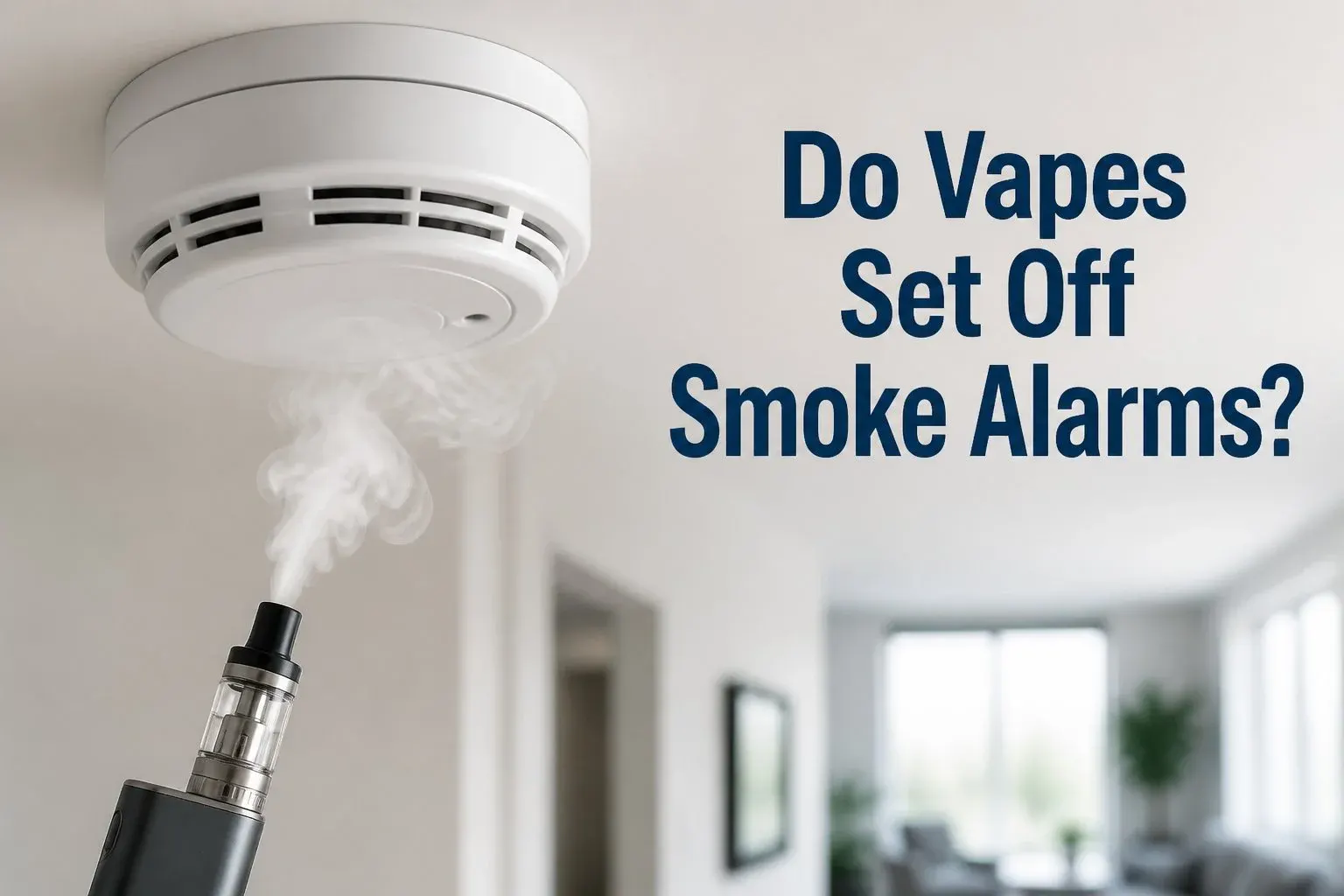
Yes, vapes can absolutely set off smoke alarms. But whether they do depends on four things:
- The type of smoke detector
- How much vapor you produce
- How close you are to the detector
- The ventilation in the room
I've reviewed hundreds of vape devices over the years, from tiny pod systems to cloud-chasing monsters. One thing I've learned the embarrassing way? A giant vanilla custard cloud in a small hotel room is sometimes all it takes to make everyone evacuate.
Let's dive into why this happens.
Why Can Vape Aerosol Trigger a Smoke Alarm?
Many people assume smoke alarms detect fire. That's only partially true.
Most residential smoke alarms actually detect airborne particles, not flames.
When you exhale vape aerosol, you're releasing millions of microscopic droplets made primarily from:
- Propylene Glycol (PG)
- Vegetable Glycerin (VG)
- Nicotine (optional)
- Flavorings
Although this isn't smoke from combustion, the particles can scatter light or interfere with a detector's sensing chamber, causing it to mistake vapor for smoke. Research on indoor e-cigarette aerosol has shown that exhaled vape aerosol contains fine airborne particles capable of interacting with particle-detection systems.
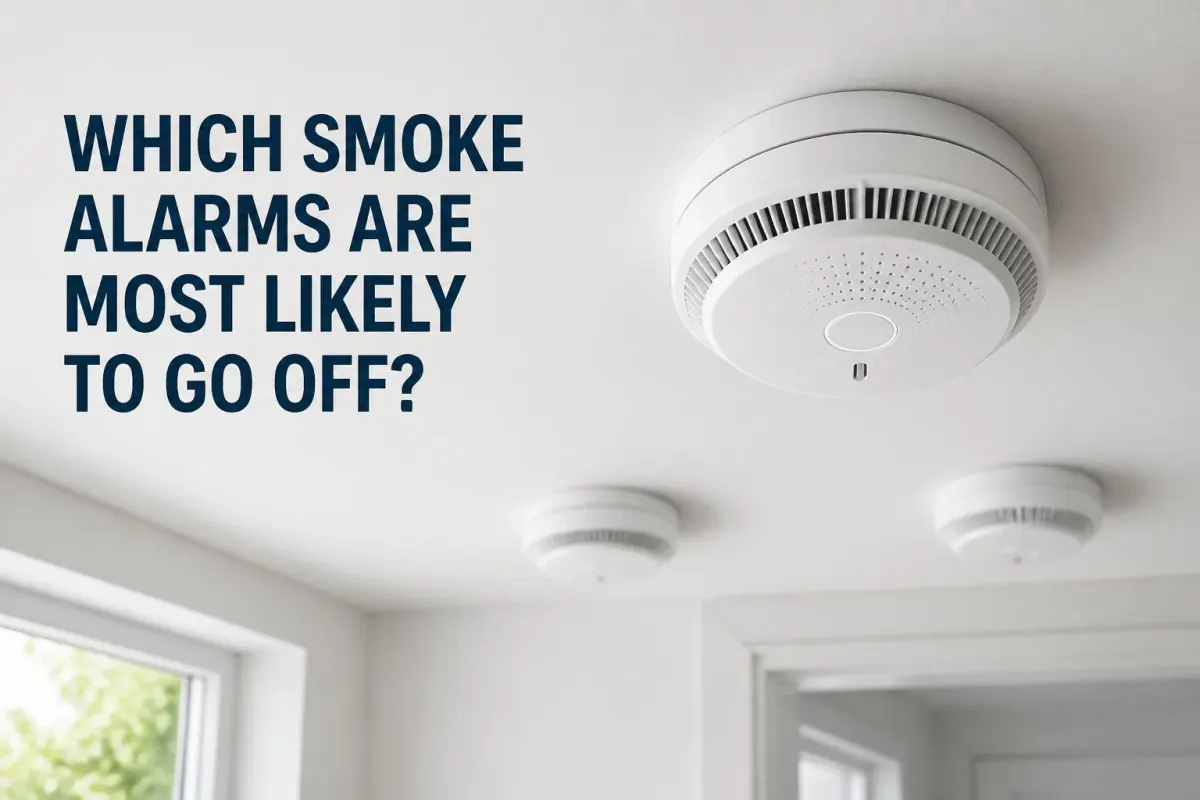
Which Smoke Alarms Are Most Likely to Go Off?
Here's a simple breakdown.
| Smoke Alarm Type | Can Vaping Trigger It? | Risk Level |
|---|---|---|
| Photoelectric (Optical) | Yes | ⭐⭐⭐⭐⭐ High |
| Ionization | Sometimes | ⭐⭐⭐ Moderate |
| Heat Detector | Rarely | ⭐ Low |
| Advanced Air Sampling Systems | Yes | ⭐⭐⭐⭐⭐ Very High |
1. Photoelectric Smoke Alarms
These are the most common alarms found in modern homes, apartments, hotels, and offices.
They shine a beam of light inside a sensing chamber. When enough particles enter that chamber, the light scatters and activates the alarm.
Dense vape clouds can do exactly that.
2. Ionization Smoke Alarms
Ionization alarms monitor tiny changes in electrical current.
They were originally designed to respond quickly to fast-burning fires, but concentrated vape aerosol can sometimes interfere with their sensors as well.
Fortunately, they usually require much more vapor than photoelectric alarms.
3. Heat Detectors
Good news.
Heat detectors don't care about vapor.
They activate only when temperatures rise rapidly or exceed a preset threshold.
Unless your vape somehow turns into a flamethrower (please don't try), you're unlikely to trigger one.
4. Commercial Detection Systems
Airports.
Hospitals.
Hotels.
Schools.
Many commercial buildings use very sensitive aspirating smoke detection systems (ASD) that continuously sample air.
These systems can detect extremely small concentrations of aerosol, making them much easier to trigger than standard household alarms.
Do Disposable Vapes Trigger Smoke Alarms?
Sometimes.
Small disposable devices usually produce less aerosol than high-powered sub-ohm kits.
For example:
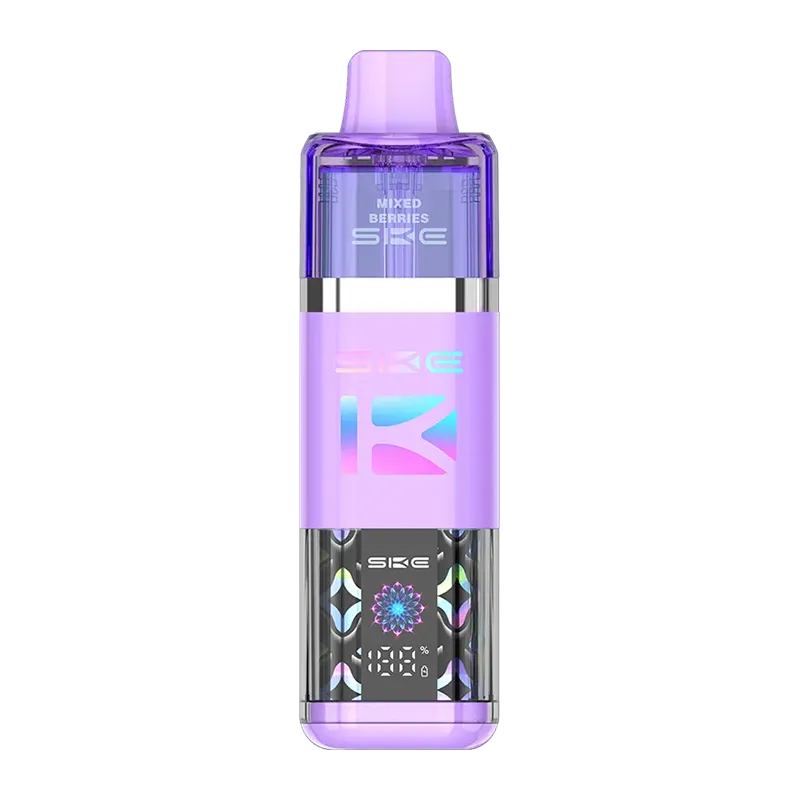
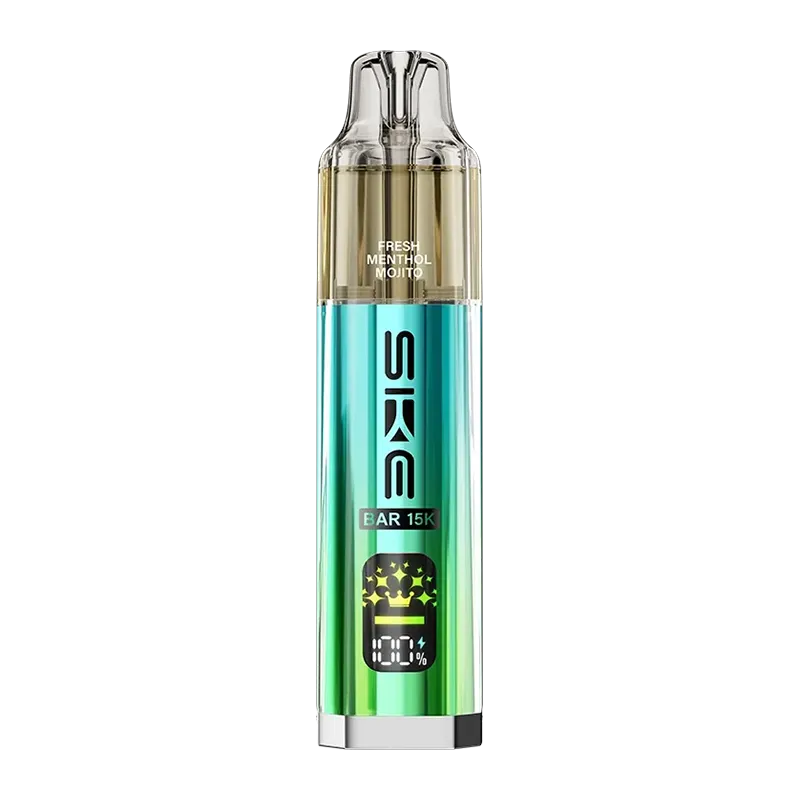
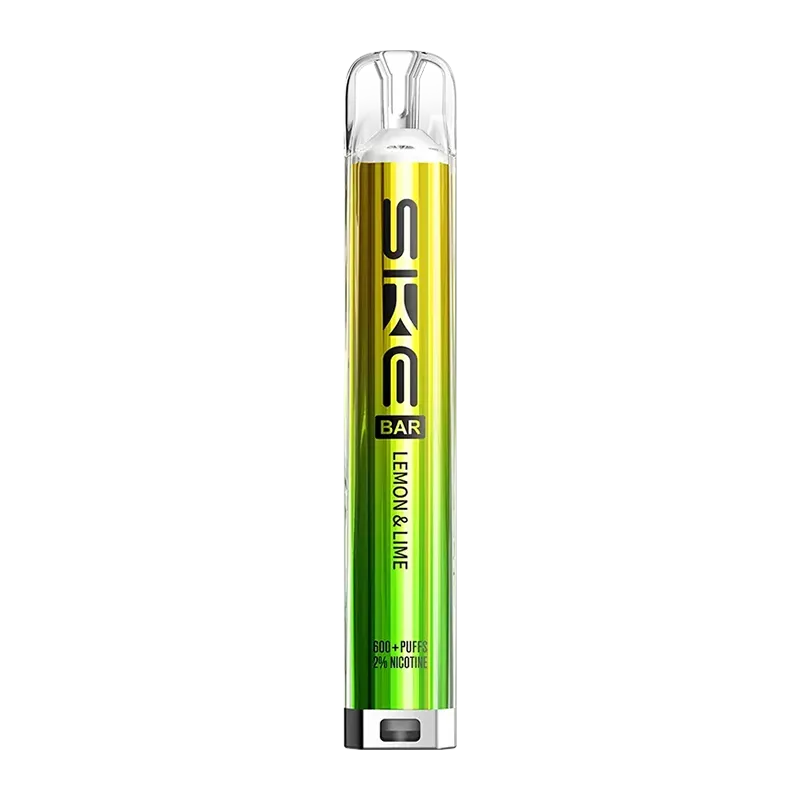
- 600-puff disposable → Lower chance
- 5% nicotine pod vape → Moderate chance
- 30K–40K puff high-output disposable → Higher chance
- Dual-mesh sub-ohm vape → Highest chance
It's not really the nicotine that matters.
It's the amount of aerosol entering the detector.
Does Holding the Vapor In Help?
A little.
Holding your inhale slightly longer allows some aerosol particles to settle inside your lungs before exhaling.
That means less visible cloud.
However...
It doesn't eliminate the risk, and there's no evidence that excessively holding vapor provides any health benefit.
Can Steam From a Shower Also Trigger Smoke Alarms?
Surprisingly... Yes.
Steam, cooking smoke, aerosol sprays, and even dust can trigger some photoelectric alarms.
Smoke detectors simply respond to particles suspended in the air—they don't know whether those particles come from toast, a hot shower, or your favorite mango ice vape.
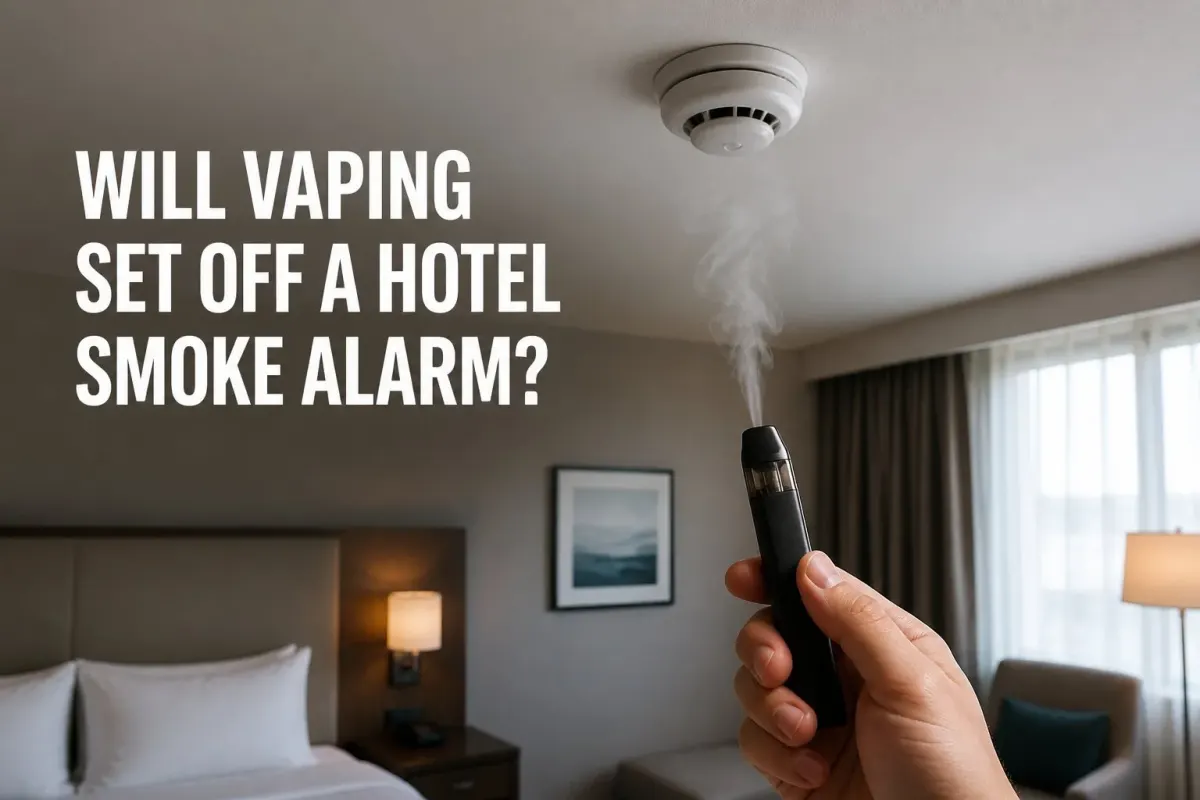
Will Vaping Set Off a Hotel Smoke Alarm?
This is probably the question I get asked most.
My answer is always the same:
Don't risk it.
Hotels increasingly use sensitive smoke detection systems, and many properties have strict no-vaping policies. Even if the detector doesn't activate, vaping indoors may violate hotel rules and could lead to cleaning charges or other penalties.
What About Airplanes?
Easy answer. Never vape on an airplane.
Modern aircraft are equipped with highly sensitive smoke detection systems, and vaping is prohibited on commercial flights worldwide.
Even attempting it in the restroom can result in significant legal consequences.
Not exactly the souvenir you want from your vacation.
Schools Are Now Installing Vape Detectors
Interestingly, many schools no longer rely solely on traditional smoke alarms.
They're installing dedicated vape detectors that identify chemicals associated with e-cigarette aerosol and immediately notify staff.
Unlike standard smoke alarms, these systems are specifically designed to detect vaping rather than fire.
Tips to Reduce the Chance of Setting Off a Smoke Alarm
If you're in a place where vaping is permitted:
- Avoid exhaling directly toward detectors.
- Use lower power settings if your device allows.
- Choose a well-ventilated area.
- Take smaller puffs instead of producing massive clouds.
- Respect indoor vaping policies.
The easiest way to avoid a false alarm is simple: if vaping isn't allowed indoors, wait until you're outside.
My Experience
After reviewing countless vape devices, I've learned one thing the hard way: the bigger the cloud, the bigger the gamble.
At home, I've never triggered my own smoke alarm with a compact pod system. But high-powered disposable devices and sub-ohm kits in small, enclosed spaces are a different story. I've also heard plenty of stories from fellow reviewers—and more than a few travelers—who unintentionally set off hotel alarms after just a few large puffs.
The takeaway? Just because you're inhaling vapor instead of smoke doesn't mean a detector can tell the difference.
Conclusion
Do vapes set off smoke alarms? Yes, they can. The risk depends on the detector, the amount of aerosol you produce, and the environment you're in. If you're in a hotel, office, airport, school, or any building with strict fire safety systems, it's best to assume your vape could trigger an alarm and follow the property's rules. A few minutes of patience is much better than explaining a false fire alarm to security.
FAQs
1. Can one puff from a vape set off a smoke alarm?
Usually not. A single small puff in a well-ventilated room is unlikely to trigger most residential alarms. Dense clouds or repeated puffs near a detector are much more likely to cause a false alarm.
2. Are photoelectric smoke alarms more sensitive to vaping?
Yes. Photoelectric (optical) alarms are generally the most likely residential smoke detectors to react to vape aerosol because they detect particles by measuring how they scatter light.
3. Can vaping in the bathroom set off a smoke alarm?
Yes. Bathrooms often have limited ventilation, and steam plus vape aerosol can increase the chance of triggering a nearby photoelectric detector.
4. Do nicotine-free vapes trigger smoke alarms?
Yes. The presence of nicotine doesn't determine whether an alarm activates. The aerosol particles—mainly PG and VG droplets—are what detectors respond to.
5. Are vape detectors the same as smoke alarms?
No. Smoke alarms are designed to detect fire-related particles or heat, while dedicated vape detectors are engineered to identify chemicals or aerosol associated with e-cigarette use and are commonly installed in schools and other facilities.
References
[1] Centers for Disease Control and Prevention (CDC). E-Cigarettes (Vapes)
[2] National Fire Protection Association (NFPA). Smoke Alarms
[3] National Center for Biotechnology Information (NCBI). Indoor E-Cigarette Use Can Set Off Smoke Detectors: Perceptions of an Emerging Issue