



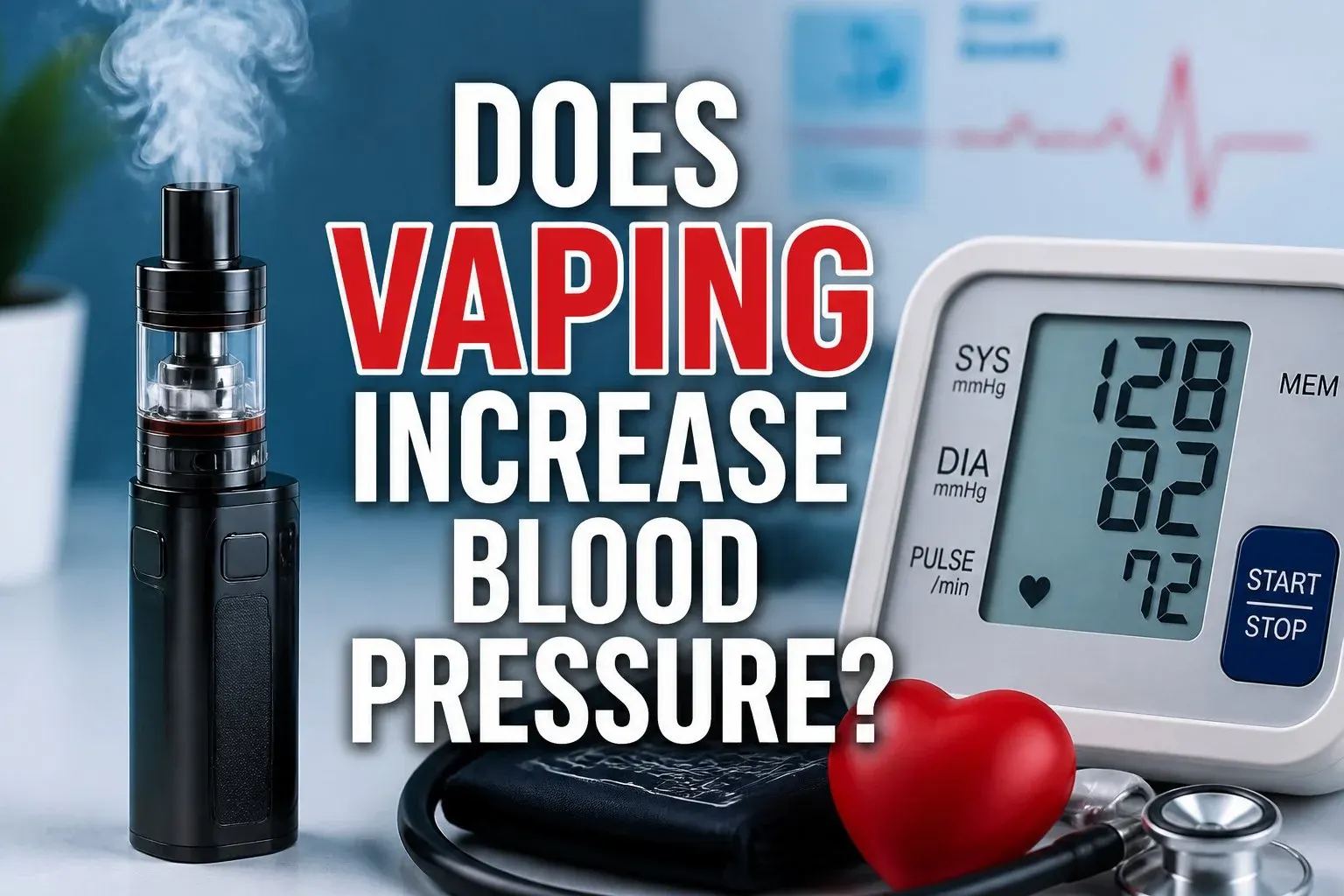
Current evidence suggests that nicotine stimulates the sympathetic nervous system, causing blood vessels to narrow and the heart to beat faster. While these short-term effects are well documented, researchers are still studying whether long-term vaping directly causes chronic hypertension in otherwise healthy adults.
For adult smokers considering switching from cigarettes, it's important to understand the difference between short-term physiological effects and long-term cardiovascular risk. Vaping is not risk-free, but its health impact should also be considered in comparison with combustible tobacco.
At SKE, we believe consumers deserve balanced, evidence-based information so they can make informed decisions about nicotine use rather than relying on misinformation or exaggerated claims.
Why Does Vaping Raise Blood Pressure?
The primary reason is nicotine, not the vapor itself.
Nicotine activates the body's "fight-or-flight" response by releasing adrenaline (epinephrine). This leads to:
- Faster heart rate
- Narrower blood vessels
- Increased cardiac workload
- Temporary rise in blood pressure
Researchers have consistently observed these effects shortly after nicotine vaping sessions, especially among people who do not regularly consume nicotine.
The degree of blood pressure increase depends on several factors:
- Nicotine strength
- Puff frequency
- Device nicotine delivery efficiency
- Individual nicotine tolerance
- Existing cardiovascular health
How Much Can Blood Pressure Increase?
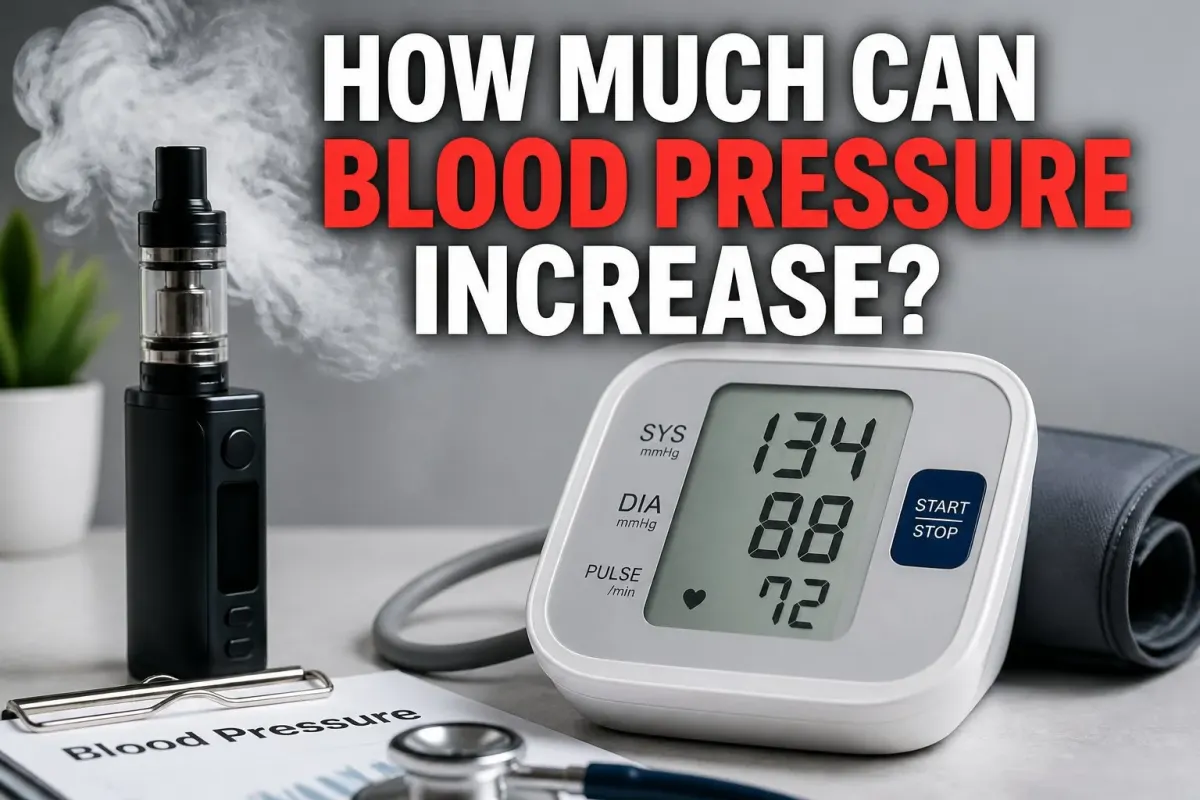
Clinical studies generally show a temporary rise rather than a permanent elevation.
Most increases occur within minutes after vaping and gradually return toward baseline over the next 30–60 minutes. The exact amount varies considerably between individuals, devices, and nicotine concentrations.
This is similar to the cardiovascular response seen after:
- Drinking strong coffee
- Smoking cigarettes
- Intense psychological stress
- Vigorous exercise
However, unlike exercise, nicotine provides no cardiovascular benefit.
Is Nicotine-Free Vaping Different?
Nicotine-free e-liquids eliminate the primary stimulant responsible for increased blood pressure.
Some laboratory studies have suggested that inhaling aerosol—even without nicotine—may temporarily affect blood vessel function, but these effects appear much smaller and remain under investigation. Current evidence does not show nicotine-free vaping causes the same acute blood pressure increases as nicotine-containing products.
Can Vaping Cause Long-Term High Blood Pressure?
This is where the science becomes more complex.
Researchers have strong evidence that nicotine vaping can:
- Increase heart rate
- Raise blood pressure temporarily
- Increase sympathetic nervous system activity
However, there is not yet conclusive evidence proving that vaping alone directly causes chronic hypertension in healthy adults over many years. Long-term studies are still ongoing because modern e-cigarettes have not existed long enough for decades-long population research.
Experts caution against overstating the evidence while acknowledging that repeated nicotine exposure may contribute to cardiovascular stress, particularly in people who already have hypertension or heart disease.
Vaping vs Smoking: Which Has a Greater Effect on Blood Pressure?
Both products deliver nicotine, so both can increase blood pressure shortly after use.
However, combustible cigarettes expose users to thousands of combustion chemicals, including carbon monoxide and numerous toxic compounds that contribute substantially to cardiovascular disease.
Many public health organizations recognize that while vaping is not harmless, completely switching from cigarettes to regulated nicotine vaping products may reduce exposure to many harmful combustion-related chemicals for adult smokers.
That said:
- Non-smokers should not begin vaping.
- Youth should avoid all nicotine products.
- Adults who do not use nicotine should not start.
Who Should Be Especially Careful?
People with the following conditions should speak with a healthcare professional before using nicotine products:
- High blood pressure (hypertension)
- Heart disease
- Previous heart attack
- Stroke history
- Irregular heartbeat
- Pregnancy
Nicotine may complicate cardiovascular management, particularly when blood pressure is already difficult to control.
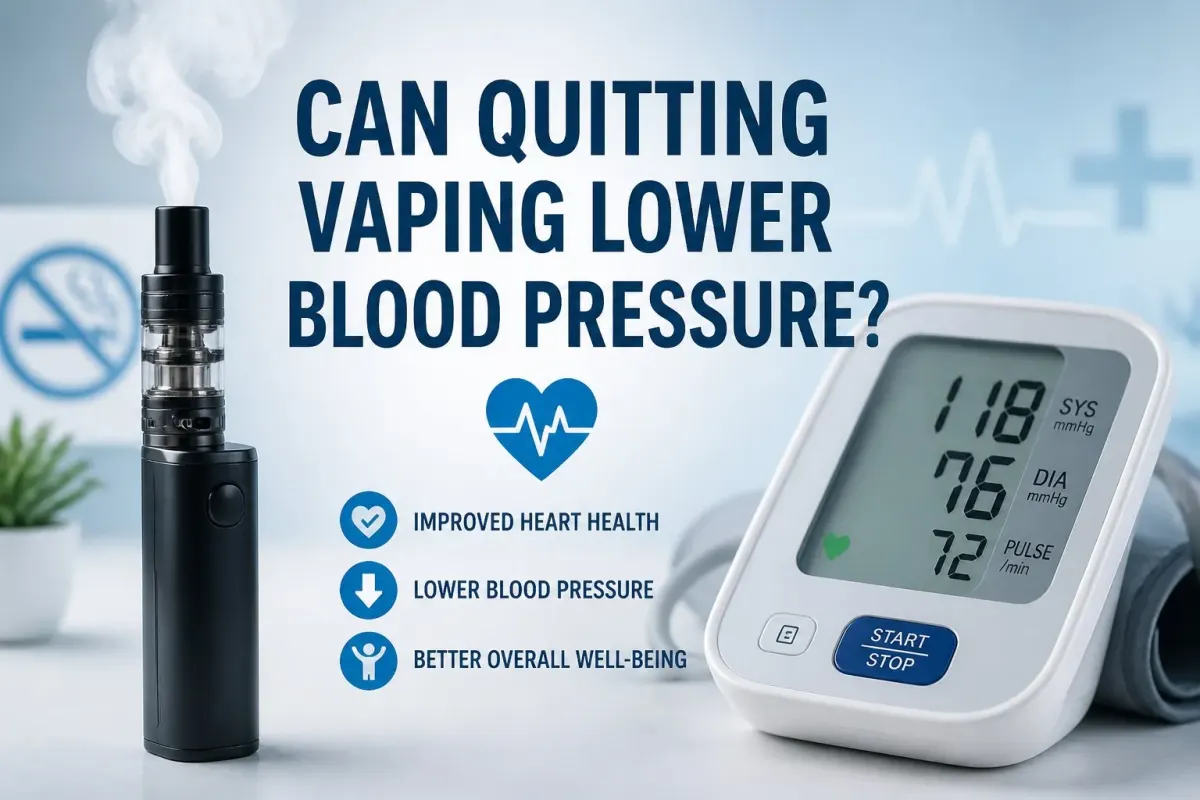
Can Quitting Vaping Lower Blood Pressure?
For many nicotine users, reducing or stopping nicotine consumption may help lower temporary nicotine-induced increases in blood pressure and heart rate.
However, blood pressure depends on many lifestyle factors, including:
- Genetics
- Diet
- Body weight
- Physical activity
- Sleep
- Alcohol use
- Stress
If you have persistent readings above 130/80 mmHg, consult a healthcare professional for proper evaluation rather than assuming vaping is the only cause.
Other Factors That May Affect Blood Pressure While Vaping
Blood pressure changes are rarely caused by a single factor.
Common contributors include:
- High caffeine intake
- Lack of sleep
- Chronic stress
- Obesity
- Excess sodium
- Alcohol consumption
- Smoking cigarettes alongside vaping (dual use)
Dual use may expose individuals to both cigarette smoke and nicotine from vaping, potentially increasing overall cardiovascular risk.
What Do Health Organizations Say?
Leading health authorities generally agree on several key points:
- Nicotine increases heart rate and blood pressure shortly after use.
- Vaping is not risk-free.
- Long-term cardiovascular effects are still being studied.
- Adults who smoke may benefit from completely switching away from combustible cigarettes, but complete nicotine cessation provides the greatest health benefit.
These conclusions are broadly consistent across evidence reviewed by organizations such as the CDC and the National Academies of Sciences.
Tips for Adult Vapers Concerned About Blood Pressure
If you're an adult nicotine user, consider these practical steps:
- Monitor your blood pressure regularly.
- Avoid chain vaping throughout the day.
- Consider gradually reducing nicotine strength if appropriate.
- Stay hydrated.
- Exercise regularly.
- Limit excessive caffeine if you notice combined effects.
- Speak with your healthcare provider if you have hypertension or cardiovascular disease.
Conclusion
For adult smokers who are considering alternatives to combustible cigarettes, the priority should be making informed choices based on credible scientific evidence rather than misconceptions. At SKE, we encourage responsible nicotine use, compliance with local regulations, and the use of high-quality, regulated vaping products.
If you have high blood pressure, heart disease, or other cardiovascular conditions, consult a healthcare professional before using any nicotine product and monitor your blood pressure regularly. Ultimately, reducing nicotine intake—or quitting nicotine altogether—remains the most effective way to minimize nicotine-related effects on blood pressure and support long-term cardiovascular health.
FAQs
1. Does vaping immediately raise blood pressure?
Yes. Nicotine-containing vapes can temporarily increase blood pressure and heart rate within minutes of use by stimulating the release of adrenaline. These effects typically diminish over time after vaping stops.
2. Is nicotine-free vaping safer for blood pressure?
Nicotine-free vaping is less likely to cause the acute blood pressure increases associated with nicotine. However, researchers continue to study whether inhaling aerosol without nicotine has other cardiovascular effects.
3. Can vaping cause hypertension?
There is currently no definitive evidence that vaping alone directly causes chronic hypertension in healthy adults. The strongest evidence supports temporary increases in blood pressure after nicotine exposure, while long-term effects remain under investigation.
4. Is vaping better than smoking for people with high blood pressure?
Neither option is ideal. However, for adult smokers who cannot quit nicotine completely, fully switching from combustible cigarettes to regulated vaping products may reduce exposure to many harmful combustion-related chemicals. Individuals with hypertension should discuss nicotine use with their healthcare provider.
5. Should I stop vaping if I have high blood pressure?
If you have hypertension or cardiovascular disease, speak with your healthcare provider. They can determine whether nicotine may be affecting your blood pressure and recommend the most appropriate strategy, which may include reducing or stopping nicotine use alongside lifestyle changes and medication if needed.
References