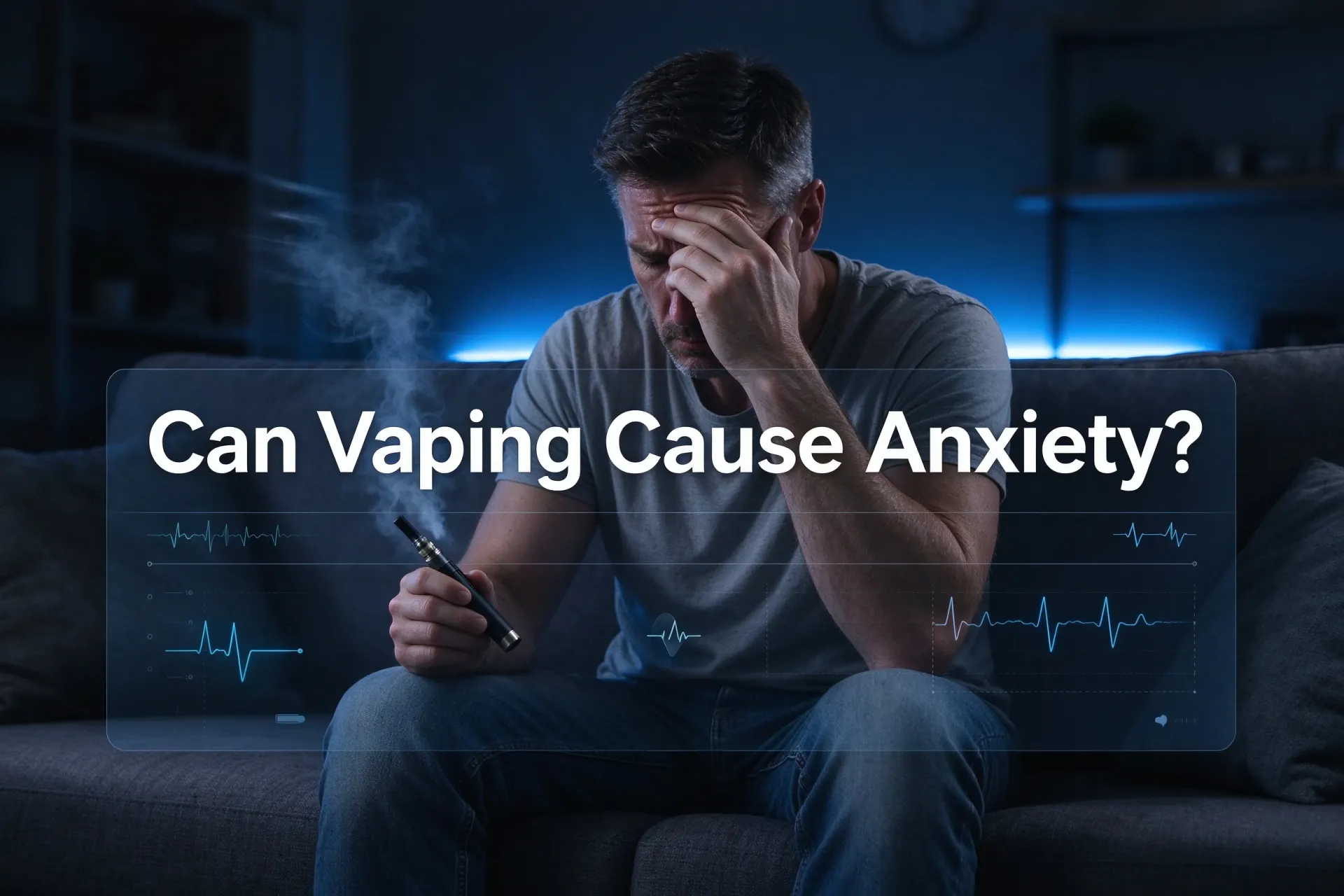
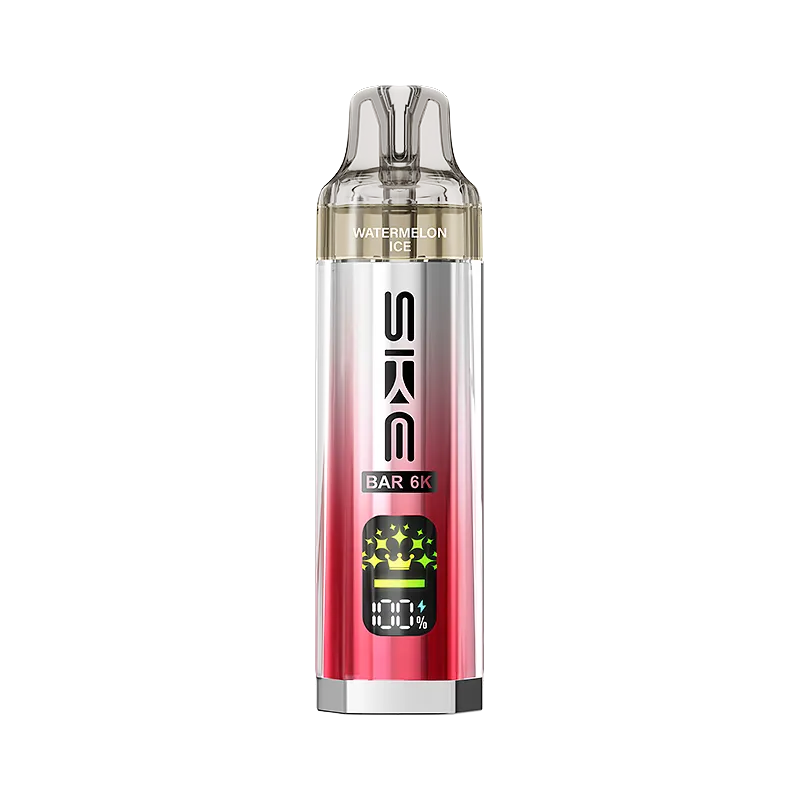
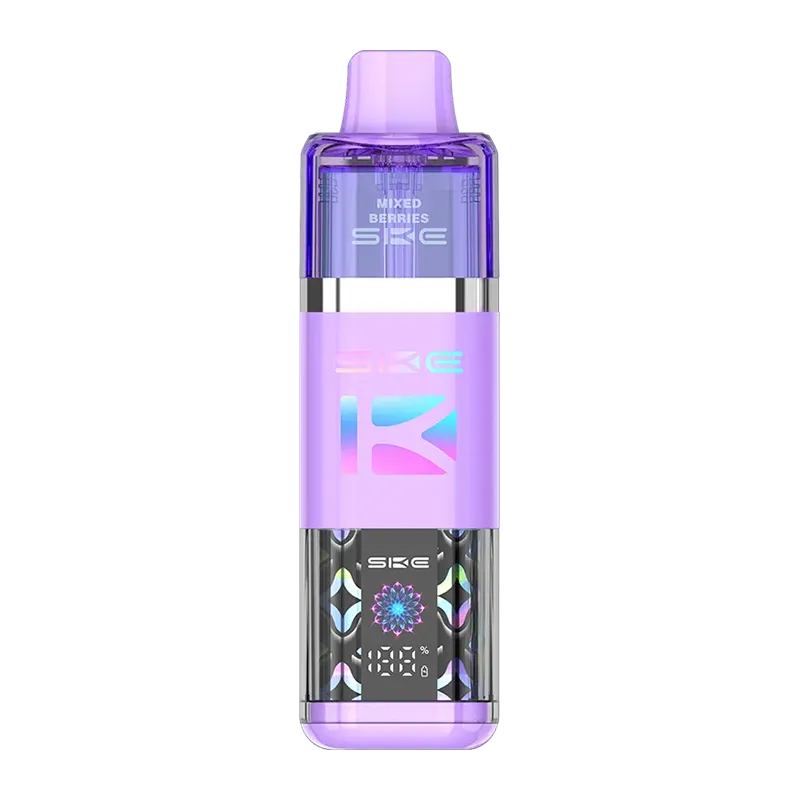

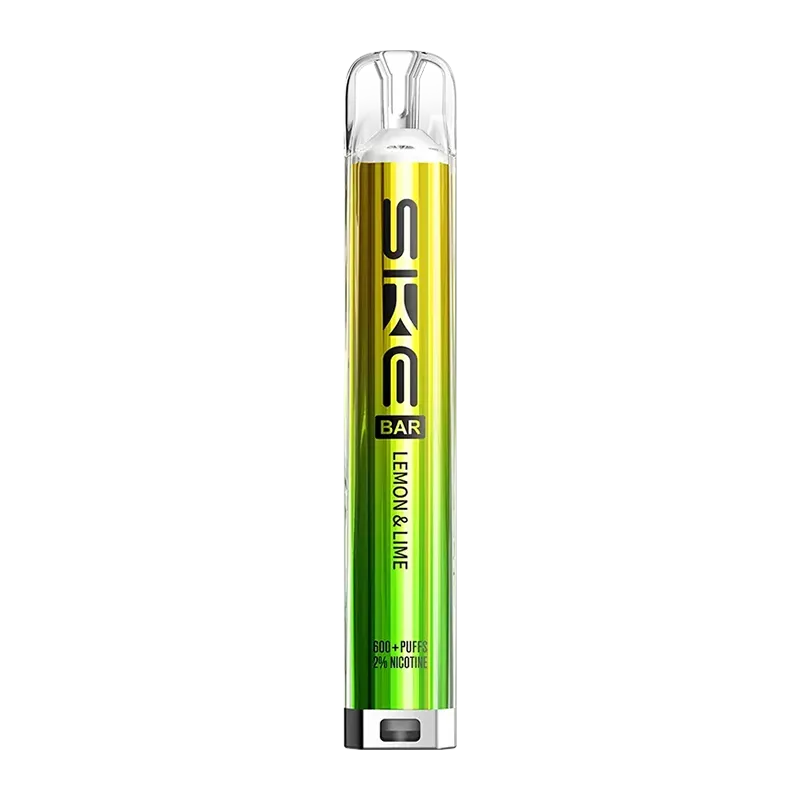




If you’ve ever stepped on the scales after starting or stopping vaping and thought, “Wait… is my vape doing this?”, you’re certainly not the only one.
The short answer is: vaping does not appear to directly cause weight gain, but the relationship between vaping, nicotine, appetite and body weight is more complicated than a simple yes or no.
And there’s one important detail that tends to get lost in the conversation: nicotine itself can suppress appetite and slightly increase energy expenditure. So if someone stops using nicotine altogether, they may notice an increase in appetite and some weight gain.
As someone who spends a good chunk of my working life looking at vaping research, products and the questions people actually ask about them, I think this is one of those topics where the internet has made things unnecessarily confusing. Let’s separate the science from the gym-bro folklore.
Why does nicotine matter?
This is where things get interesting.
Nicotine isn't exactly a magic weight-loss ingredient, but it can influence appetite and energy expenditure.
A review of 65 studies examining nicotine and energy balance found evidence that nicotine can reduce appetite and food intake while increasing resting and physical-activity energy expenditure. The researchers suggested that these effects may be linked to nicotine's influence on the brain's appetite-regulation systems.
In other words, nicotine can potentially make some people:
- Feel less hungry
- Eat less
- Experience changes in energy expenditure
- Experience changes in appetite regulation
That doesn't mean nicotine should be used as a weight-management strategy. Far from it. Nicotine is addictive, and vaping carries health risks of its own.
But it does explain why weight can change when someone's nicotine consumption changes.
Can vaping actually help you lose weight?
This is where I would put the brakes on.
You might come across claims online suggesting that vaping can suppress appetite and therefore help with weight loss.
Technically, nicotine can influence appetite and energy expenditure. But turning that observation into “vaping is a weight-loss tool” is a very different thing.
There isn't good evidence supporting vaping as a safe or reliable method for losing weight.
In fact, the scientific literature is still trying to work out exactly how e-cigarette use affects body weight over the long term. A 2022 systematic review concluded that additional well-designed human and molecular studies were needed because the existing evidence was inconsistent.
So if your diet plan currently consists of vegetables, protein, exercise and occasionally staring suspiciously at your bathroom scales, I'd stick with that rather than adding nicotine to the shopping list.
What about vaping without nicotine?
This is another useful distinction.
If you're using a nicotine-free vape, nicotine obviously cannot explain changes in appetite or energy expenditure.
However, other factors surrounding vaping could potentially influence eating behavior. For example, someone might associate vaping with certain routines, stress relief or social situations. Changes to those habits can indirectly affect what and how much they eat.
But there is no convincing evidence that inhaling nicotine-free vape aerosol directly causes meaningful weight gain.
Research into e-cigarettes and body weight remains limited, and studies have not established a straightforward cause-and-effect relationship.
Does vaping have calories?
This question comes up surprisingly often.
Most vape liquids contain ingredients such as propylene glycol, vegetable glycerin, flavorings and, depending on the product, nicotine.
Although vape liquid itself contains substances that have chemical energy, that doesn't mean vaping is equivalent to eating or drinking those calories.
The important distinction is between containing calories and consuming calories as food.
When vaping, you're inhaling an aerosol rather than consuming the e-liquid as a beverage or food. The amount of material absorbed and metabolized through inhalation isn't directly comparable to calories from eating.
So I wouldn't start adding your daily puffs to your calorie-tracking app.
Your phone already has enough reasons to judge you.

Why might someone gain weight after switching from smoking to vaping?
This is particularly relevant for people who switch from cigarettes to e-cigarettes.
There are several possible explanations.
1. Changes in nicotine intake
Different vape devices and e-liquids deliver nicotine differently. Someone who switches from smoking to vaping may end up consuming more, less or roughly the same amount of nicotine.
If nicotine intake falls significantly, appetite may increase.
2. Changes in eating habits
Smoking and eating are closely connected for some people. When cigarettes disappear from the routine, food can become the replacement habit.
That extra snack here and there can add up surprisingly quickly.
3. Improved taste and smell
After quitting smoking, taste and smell can improve. The NHS specifically notes that this can make food taste better and contribute to increased appetite.
And let's be honest: once your sense of taste comes roaring back, discovering that pizza actually tastes amazing is a dangerous development.
4. Reduced nicotine exposure
Nicotine can affect appetite and energy expenditure. Reducing nicotine may therefore contribute to changes in body weight.
5. Lifestyle changes
People who quit smoking may also change their physical activity, diet, alcohol intake, sleep patterns and daily routines.
Blaming every pound on the vape can therefore be a little too convenient.
Does vaping make you gain belly fat?
There's even less evidence to support this specific claim.
Some laboratory research has investigated nicotine, fat cells and metabolic pathways, while animal studies have produced findings that don't necessarily translate directly to humans.
The 2022 systematic review found conflicting evidence between human, animal and laboratory studies and concluded that the relationship between e-cigarettes and body weight requires further investigation.
So if somebody tells you that vaping specifically causes belly fat, I'd ask them to show you the high-quality human evidence.
That's where the conversation tends to get rather quiet.

What should you do if you've gained weight after quitting vaping?
If you've stopped vaping and noticed the scales creeping upward, don't panic.
Weight changes can happen for many reasons, and some increase in appetite after reducing or stopping nicotine isn't unusual.
Instead of trying to compensate by restricting food aggressively, focus on the basics:
- Eat regular, balanced meals.
- Keep high-protein and high-fiber foods in your diet.
- Drink water regularly.
- Watch out for replacing vaping with constant snacking.
- Stay physically active.
- Get enough sleep.
- Track your overall weight trend rather than obsessing over a single day's number.
Most importantly, don't restart vaping simply to control your weight.
The NHS emphasizes that the health benefits of quitting smoking outweigh the risks associated with gaining some weight.
The same general principle applies when considering nicotine dependence: weight management should not become a reason to maintain an addictive habit.
What does the latest research actually say?
The most useful recent evidence is probably the 2025 systematic review examining the effect of replacing cigarettes with e-cigarettes.
Researchers reviewed studies involving adults who smoked cigarettes and then partially or completely substituted e-cigarettes for smoking. The review included nine articles from eight trials.
The researchers observed a pattern of weight gain among exclusive e-cigarette users and more modest weight gain among people who continued using both cigarettes and e-cigarettes. However, the researchers rated the overall evidence as weak because the combined number of participants was below 1,000 and several studies had methodological concerns.
That last point matters.
A research finding isn't automatically a fact just because it appears in a scientific paper. We need to look at sample size, study design, potential bias and whether other research reaches the same conclusion.
And at the moment, the answer is still: we don't have enough high-quality evidence to say that vaping causes meaningful long-term weight gain.
A separate 2024 evidence assessment similarly reported no statistically significant changes in body weight in certain short- and long-term studies of e-cigarette users.
So the research picture isn't exactly black and white.
Conclusion
The strongest explanation for weight changes is often nicotine and the behavioral changes surrounding it, rather than vaping itself. Current research doesn't establish vaping as a direct cause of significant weight gain, and researchers are still working out what happens to body weight over the long term.
If you're quitting nicotine and notice the scales moving, don't let that derail the bigger goal. A couple of extra pounds are considerably less interesting to your doctor than a lifelong nicotine addiction.
FAQs
1. Does vaping make you gain weight or lose weight?
There is no strong evidence that vaping directly causes either significant weight gain or weight loss. Nicotine can suppress appetite and increase energy expenditure, so changing nicotine intake may influence body weight. However, vaping shouldn't be considered a weight-loss method.
2. Will I gain weight if I stop vaping?
You may, but it isn't inevitable. If your vape contains nicotine, stopping can increase appetite and remove some of nicotine's effects on energy expenditure. Changes in snacking, eating habits and lifestyle can also contribute.
3. Does nicotine make you lose weight?
Nicotine can reduce appetite and increase energy expenditure, and research has found associations between nicotine use and lower body weight. However, that doesn't make nicotine a safe or appropriate weight-loss treatment.
4. Does vaping without nicotine cause weight gain?
There is currently no convincing evidence that nicotine-free vaping directly causes weight gain. Without nicotine, the appetite-related effects associated with nicotine cannot explain changes in body weight. Research into the wider effects of vaping on body weight is still limited.
5. Can vaping help with weight loss?
Vaping should not be used as a weight-loss strategy. Although nicotine can affect appetite and energy expenditure, e-cigarettes are addictive when they contain nicotine, and there isn't sufficient evidence showing that vaping provides a safe or reliable approach to weight management. The long-term relationship between e-cigarette use and body weight remains uncertain.
References
[1] NHS — What could happen when you quit smoking
[2] PubMed — Systematic review on e-cigarette and its effects on weight gain and adipocytes