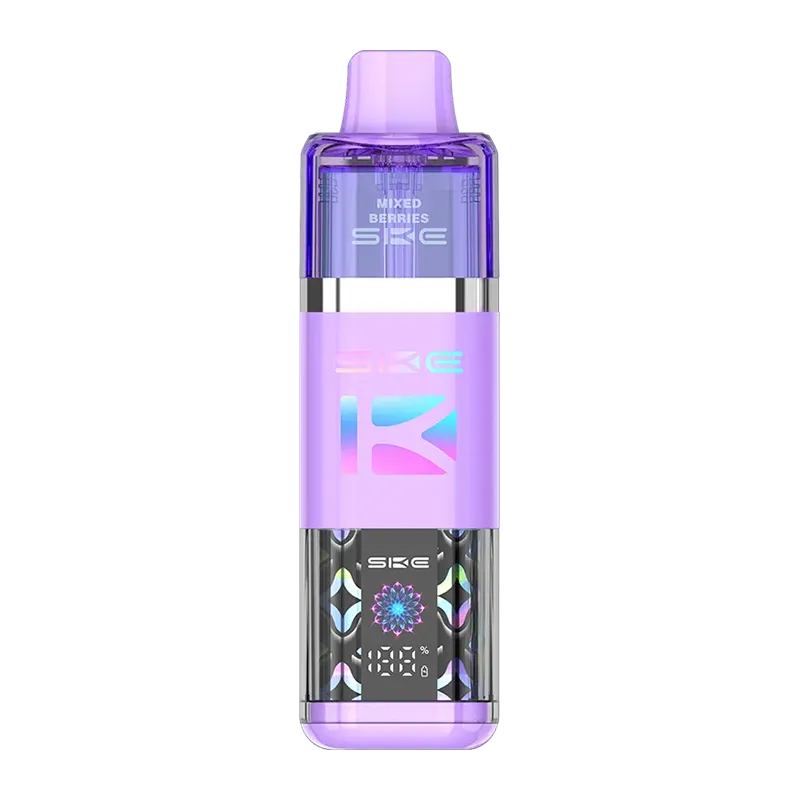
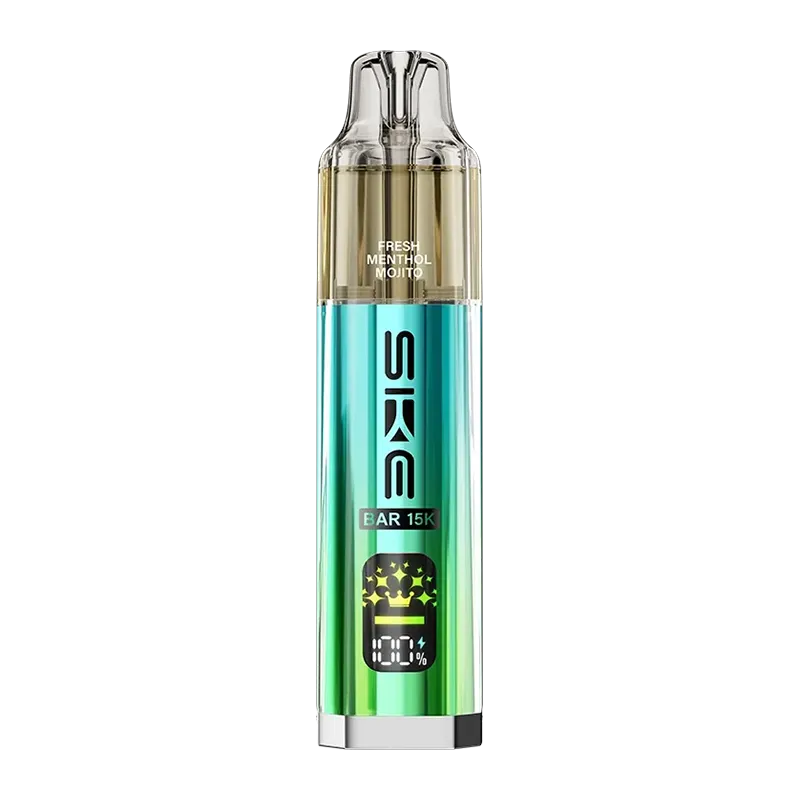
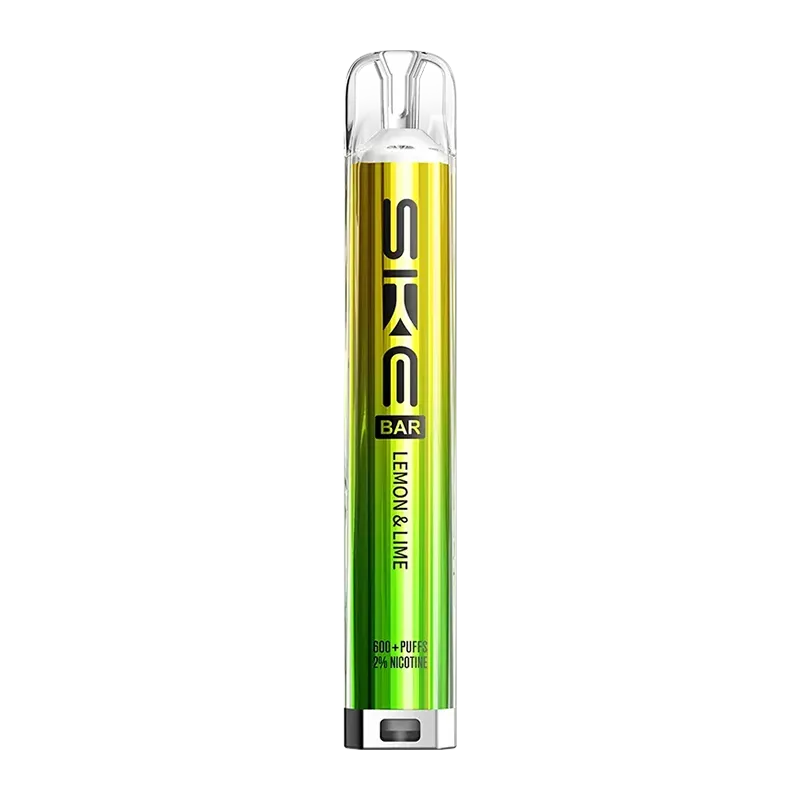

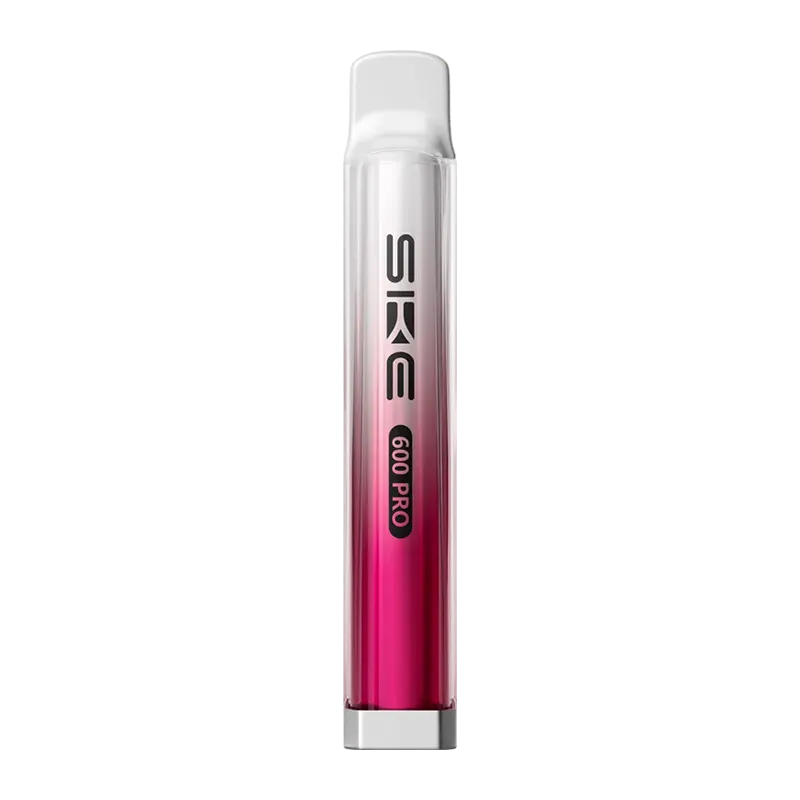
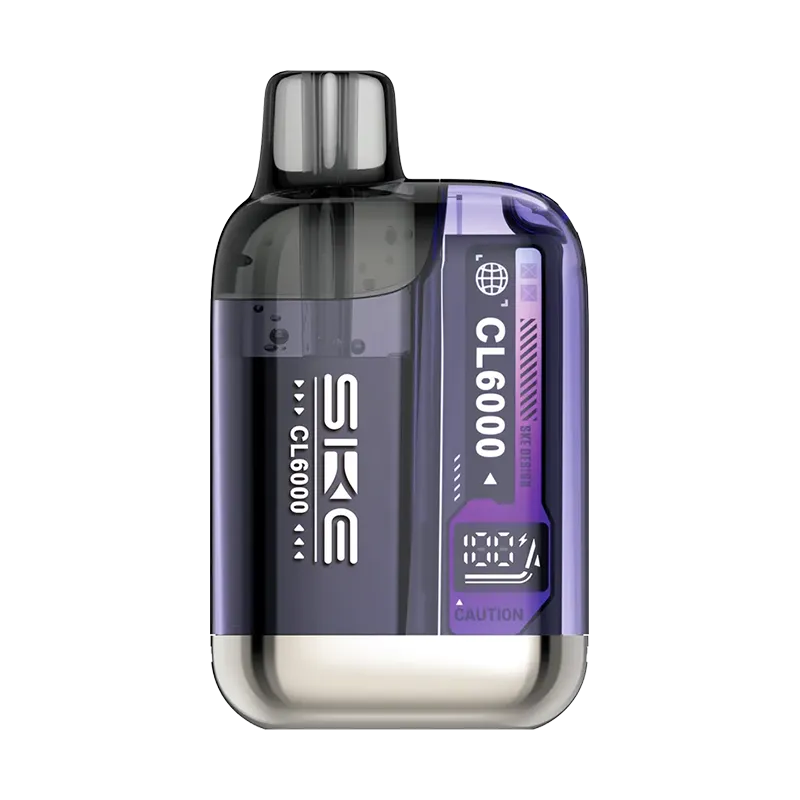

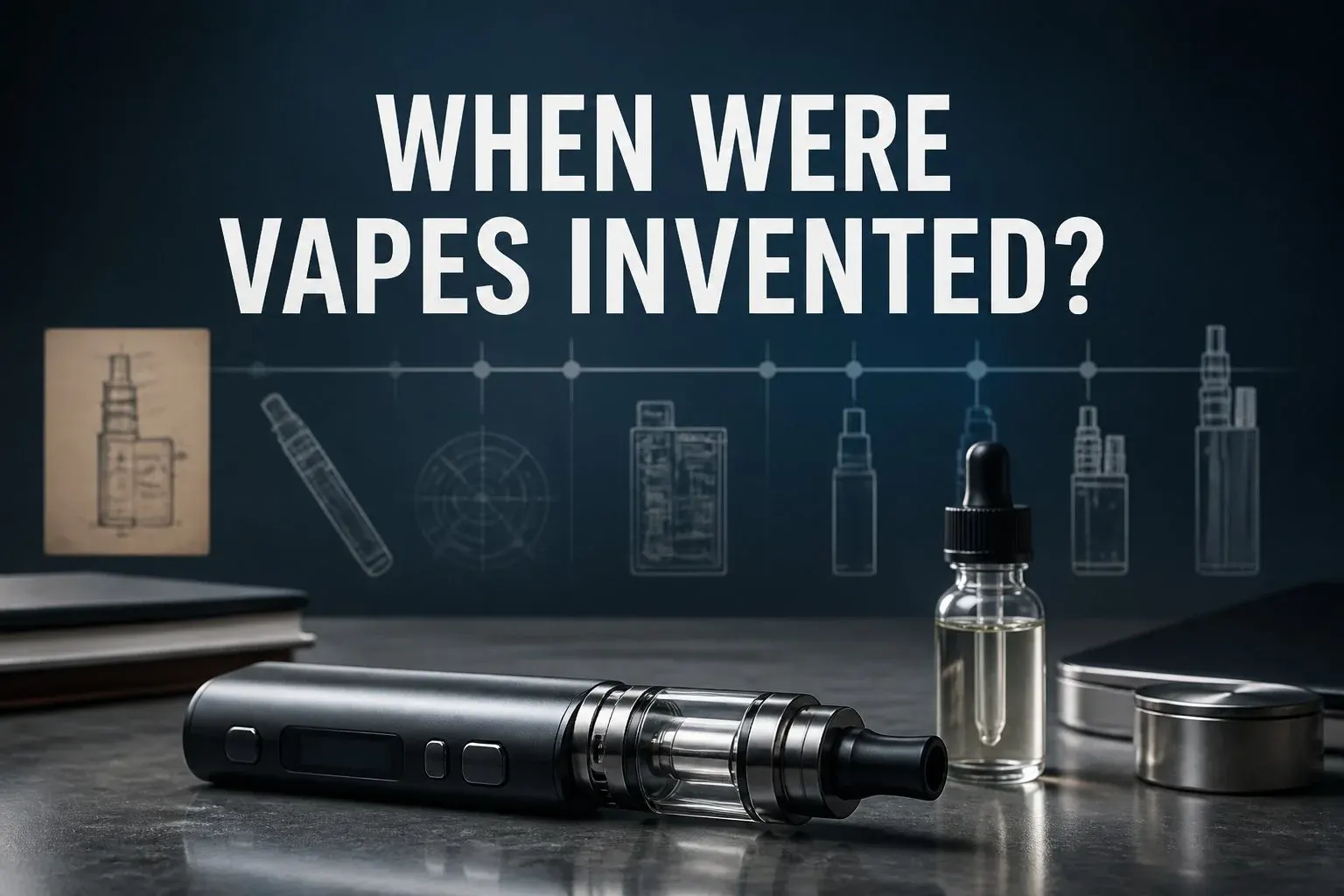
If you look at a modern vape today — a tiny pod, a disposable with a screen, or one of those devices that somehow claims enough puffs to outlive a houseplant — it is easy to assume vaping is a relatively new invention.
It isn't.
The basic idea behind vaping has been floating around for nearly a century. But there is an important distinction between the first idea for an electronic vaporizer, the first smokeless cigarette, and the first commercially successful modern vape.
So, when were vapes invented?
The modern e-cigarette is generally credited to Chinese pharmacist Hon Lik, who developed his device in 2003. It was commercially introduced in China in 2004.
But that is only half the story. The road to the modern vape started decades earlier.
I've dug into the history, patents and research behind it, and the timeline is surprisingly entertaining.
A Vape History Timeline
| Year | What Happened |
|---|---|
| 1927 | Joseph Robinson files a patent for an electric vaporizer for medicinal compounds. |
| 1930 | Robinson's patent is granted. |
| 1963 | Herbert A. Gilbert files a patent for a "smokeless non-tobacco cigarette." |
| 1965 | Gilbert's patent is granted. |
| 2003 | Hon Lik develops the modern electronic cigarette. |
| 2004 | Modern e-cigarettes begin commercial production and sales in China. |
| 2006–2007 | E-cigarettes expand into European and North American markets. |
| Late 2000s | Cigalikes become the dominant early generation. |
| Early 2010s | Vape pens, refillable tanks and box mods accelerate adoption. |
| Mid-to-late 2010s | Pod systems and nicotine salts become increasingly important. |
| 2020s | Disposable and high-puff devices become major market segments, alongside growing regulatory scrutiny. |
The timeline shows why answering "when were vapes invented?" with a single year can be misleading.
The idea is almost 100 years old.
The modern commercial vape is a little over 20 years old.
When Did Vaping Become Popular?
There isn't one official date when vaping suddenly became popular.
The international market began expanding in the late 2000s, but vaping really gained momentum during the early-to-mid 2010s, as better batteries, refillable devices and more powerful hardware became widely available.
This period also saw the growth of specialist vape shops, online communities and increasingly diverse e-liquid flavours.
The shift from cigalikes to refillable devices was particularly important.
Instead of buying something that looked and behaved like a cigarette, consumers could now choose:
- Battery size
- Tank capacity
- Coil resistance
- Wattage
- Airflow
- E-liquid strength
- Flavour
That made vaping less of a cigarette substitute and more of a distinct consumer technology.

The Rise of Pod Systems
Then came another major change: pod systems.
Instead of carrying a large box mod and a bottle of e-liquid, users could have a much smaller device with a cartridge or pod.
Pod technology helped make vaping considerably simpler.
The appeal was obvious:
fill it, charge it, vape it.
And eventually manufacturers began pairing small devices with nicotine-salt e-liquids, allowing higher nicotine concentrations to be delivered with a smoother sensation than many traditional freebase nicotine formulations.
That combination helped push compact pod devices into the mainstream during the late 2010s.
Disposable Vapes Changed the Industry Again
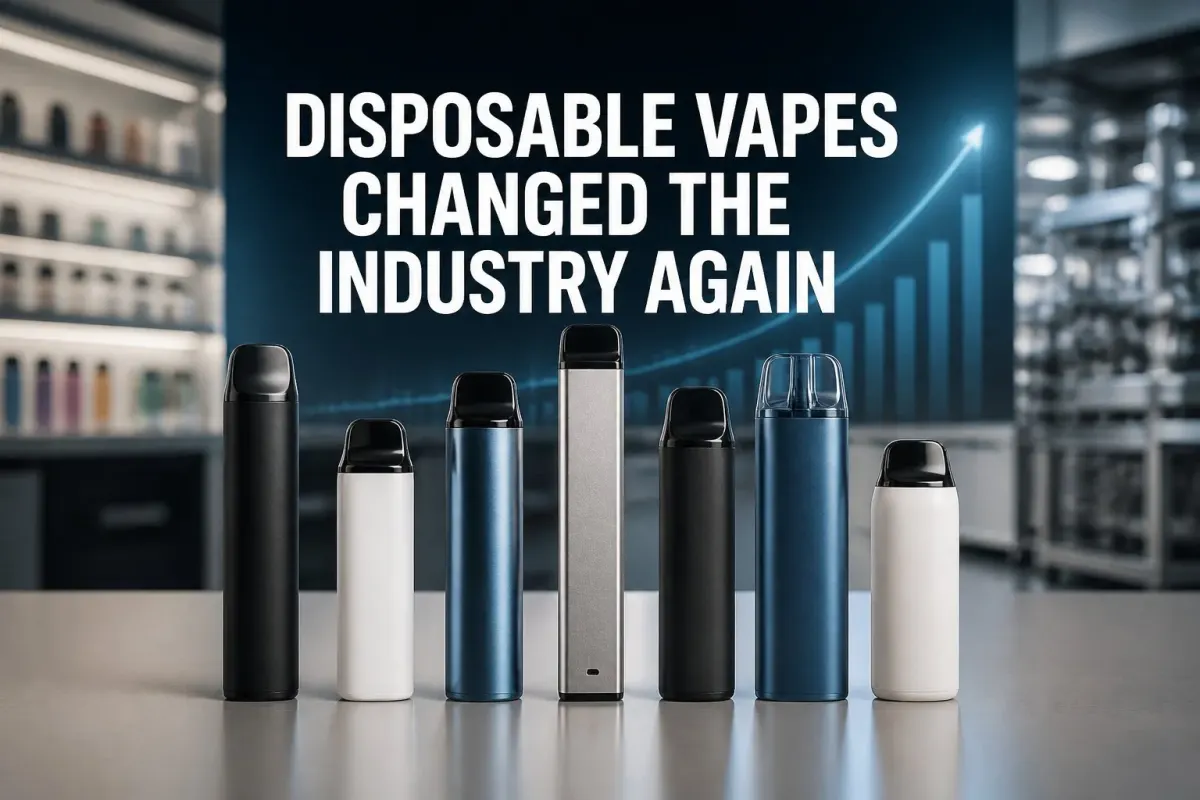
The latest major chapter is the rise of disposable vapes.
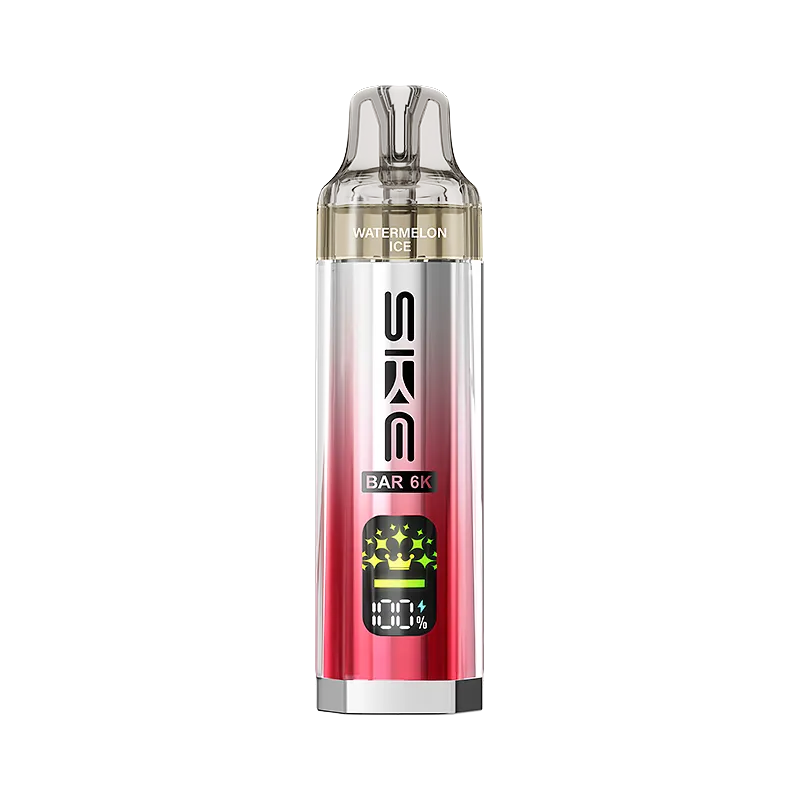
Unlike early cigalikes, modern disposable devices can feature:
- Rechargeable batteries
- Mesh coils
- Large e-liquid capacities
- Digital displays
- Adjustable airflow
- Multiple operating modes
- Extremely high advertised puff counts
From a technology perspective, it's almost comical how far the category has moved.
The first e-cigarettes were trying to imitate a cigarette.
Some modern devices have screens, animations and enough battery capacity to make the original inventors look like they were working with Stone Age electronics.
The growth of disposables has also brought much greater regulatory scrutiny, particularly around youth access, flavours, waste and unauthorized products. The FDA states that e-cigarettes are subject to its tobacco-product regulatory framework and that new tobacco products require FDA authorization before they can legally be marketed in the United States.
Why Did It Take So Long to Invent a Practical Vape?
This is probably the most interesting question in the entire history.
People could imagine an electronic cigarette long before they could manufacture a good one.
A practical vape requires several technologies to work together:
1. Compact batteries
A device needs enough electrical energy to heat an atomizer while remaining small enough to carry around.
Modern lithium-ion batteries made this much easier.
2. Reliable heating elements
The device needs to heat e-liquid consistently without simply burning everything inside it.
That required better coils, wicking materials and temperature control.
3. E-liquid formulations
The industry also needed liquids capable of carrying nicotine and flavour while producing a consistent aerosol.
Modern e-liquids commonly use ingredients such as propylene glycol and vegetable glycerin, alongside nicotine and flavourings where applicable.
4. Miniaturized electronics
Modern vapes are essentially tiny electronic systems.
Sensors detect inhalation, chips regulate power, batteries deliver current, and displays can provide information to the user.
None of this was particularly easy to shrink down in the 1920s or 1960s.
So perhaps the better question isn't:
"Why wasn't vaping invented earlier?"
It's:
"How did anyone think they could build one with 1960s batteries?"
Conclusion
When we look at vaping's history, we've come a long way from the early vaporizer experiments and Hon Lik's 2003 e-cigarette.
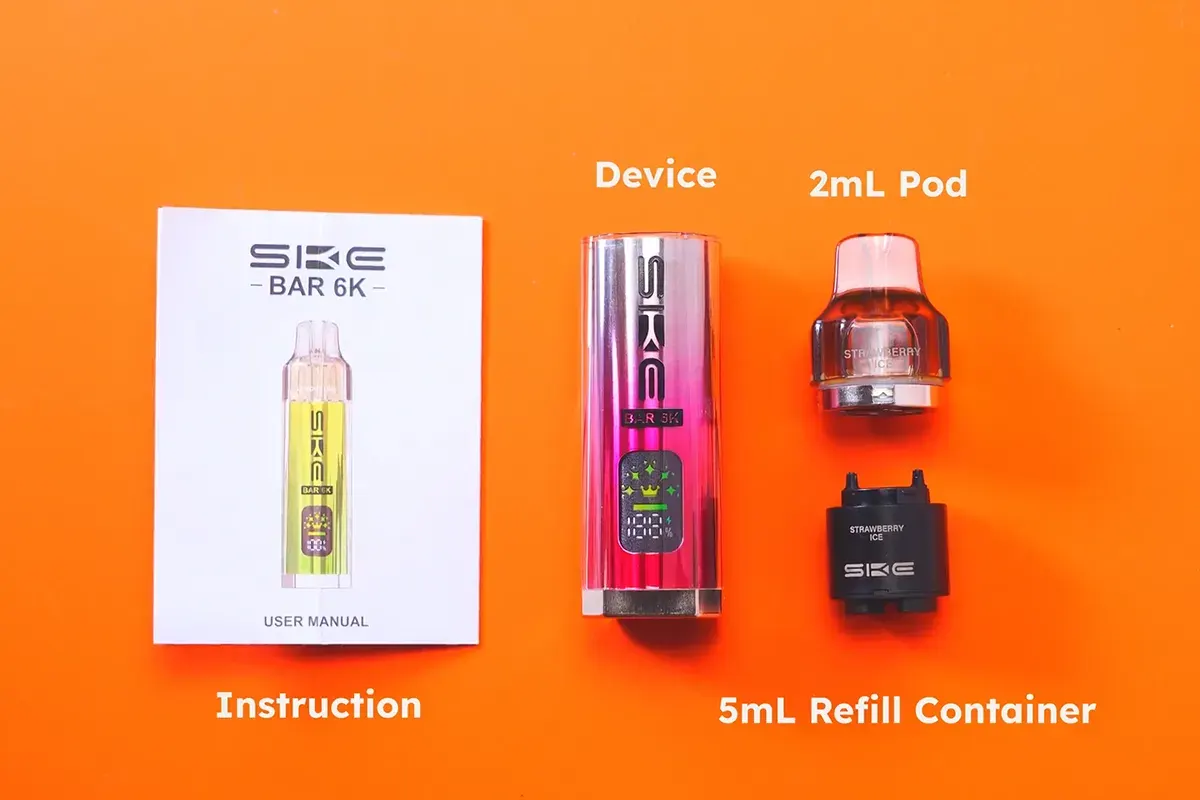
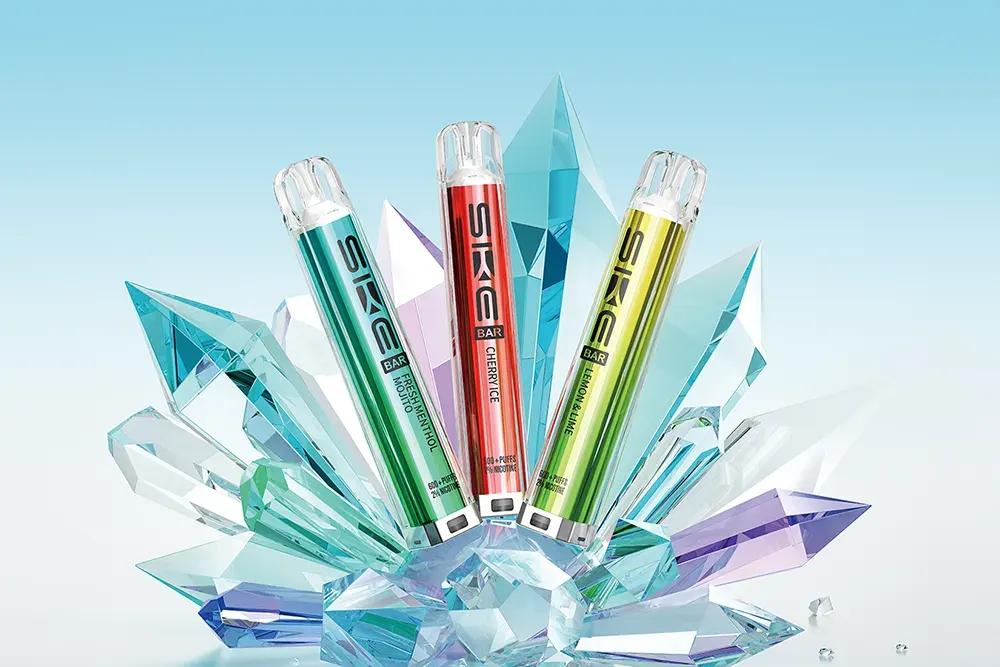
SKE is part of that ongoing evolution, developing modern devices such as the SKE Crystal range and pod systems with a focus on convenience, flavour and portability.
So, when were vapes invented? The modern vape dates back to 2003, but vaping technology is still evolving. From simple cigalikes to today's smarter, more powerful devices, it seems the vape industry hasn't quite learned when to stop tinkering—and we're probably better off for it.
FAQs
1. Who invented the vape?
The modern electronic cigarette is generally credited to Hon Lik, a Chinese pharmacist who developed his device in 2003. Earlier electronic vaporizer concepts existed, including Joseph Robinson's 1927 patent and Herbert Gilbert's 1963 smokeless cigarette patent.
2. When was the first vape made?
The first commercially produced modern e-cigarettes appeared in 2004 in China, following Hon Lik's development of the technology in 2003. The products were associated with Ruyan and Golden Dragon Holdings.
3. When did vaping become popular?
Vaping began spreading internationally in the late 2000s and became substantially more popular during the early-to-mid 2010s, when vape pens, refillable tanks and more advanced devices became widely available.
4. What was the first vape called?
One of the earliest commercially successful modern e-cigarette products was Ruyan, developed in China in the early 2000s. The name is associated with the Chinese phrase meaning "resembling smoke."
5. Were vapes invented before Hon Lik?
Yes. Joseph Robinson filed an electric vaporizer patent in 1927, and Herbert A. Gilbert patented a "smokeless non-tobacco cigarette" in 1963. Neither became a successful commercial modern vape. Hon Lik is generally credited with developing the first commercially successful modern electronic cigarette in 2003.
References
[1] CDC — E-Cigarettes (Vapes)
[2] FDA — Market and Distribute a Tobacco Product
[3] FDA — Products, Ingredients & Components