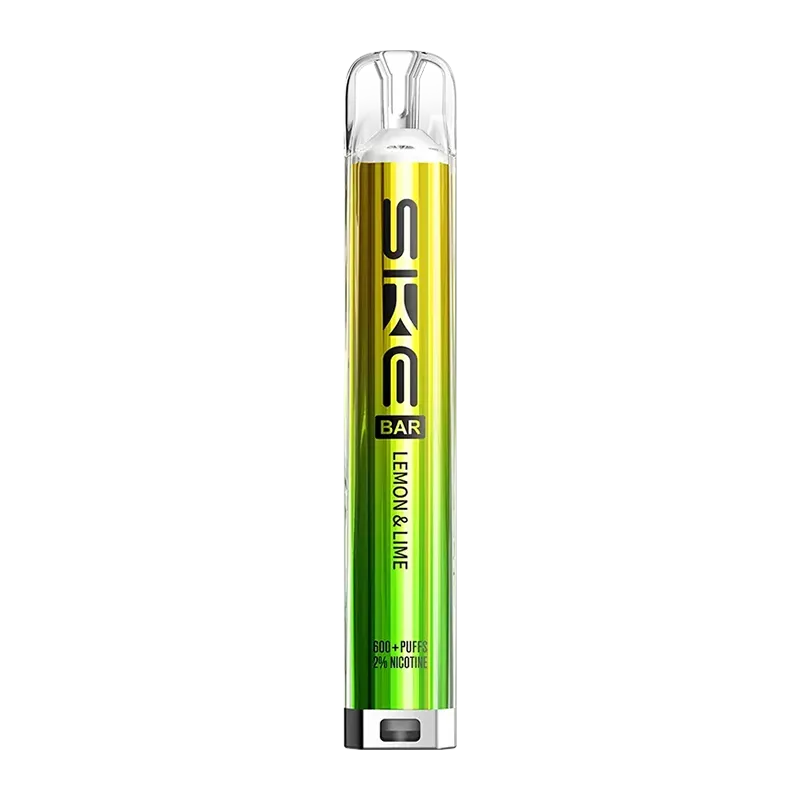
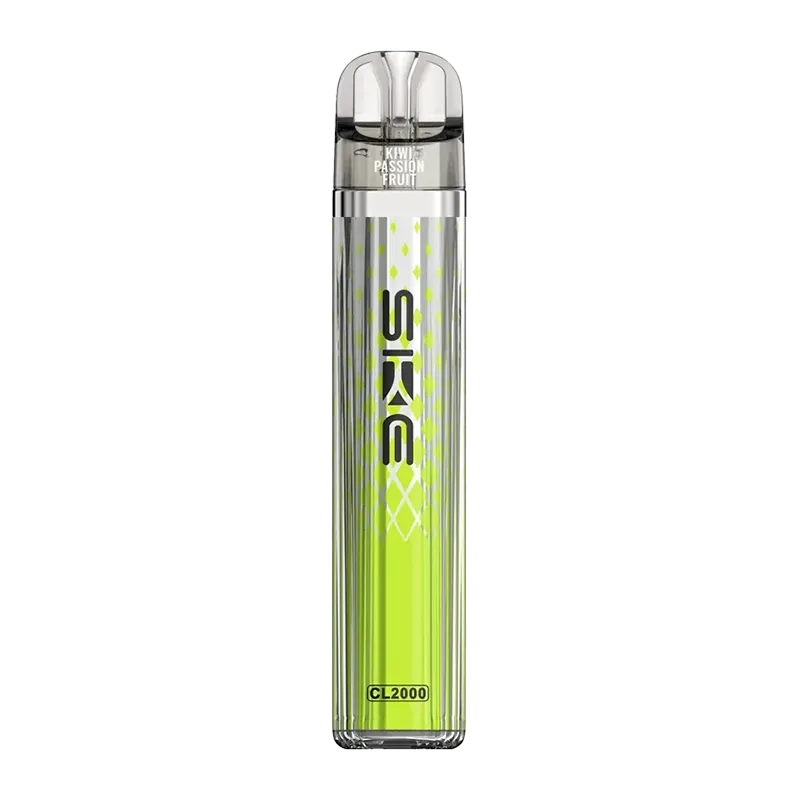
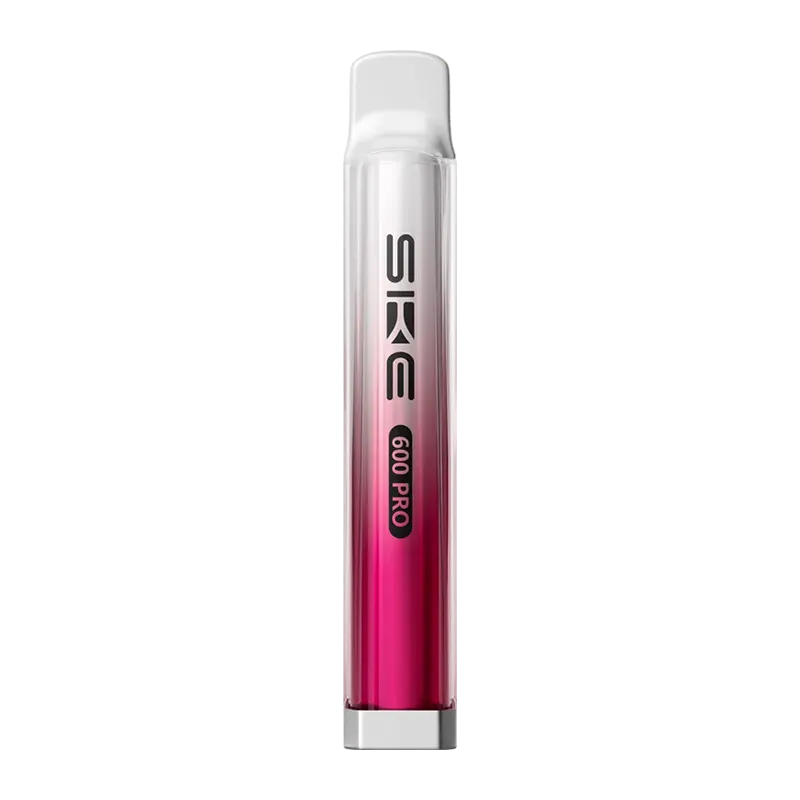
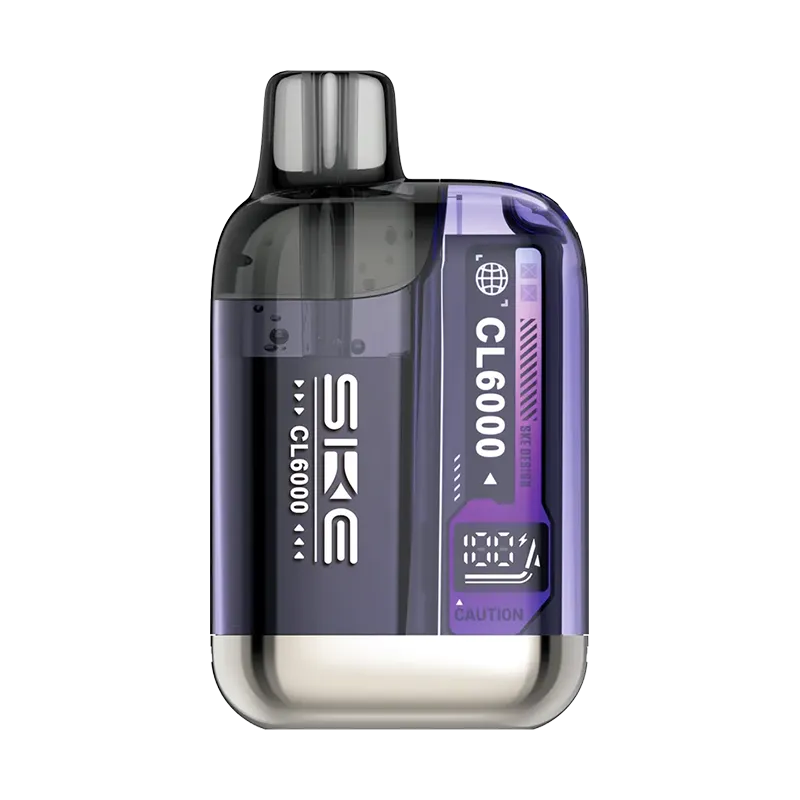

One of the most common questions I receive from readers is: Does vaping have calories?
After reviewing available scientific literature and guidance from health authorities, my conclusion is straightforward:
For practical dietary purposes, vaping does not contribute meaningful calories to your daily intake.
While some ingredients used in e-liquid—primarily vegetable glycerin (VG) and propylene glycol (PG)—contain calories when eaten or swallowed, there is currently no reliable scientific evidence showing that inhaling vape aerosol results in a measurable caloric intake comparable to food consumption.
This distinction explains why nutrition experts generally do not count vaping as part of a person's daily calorie intake.
Why People Think Vaping Has Calories
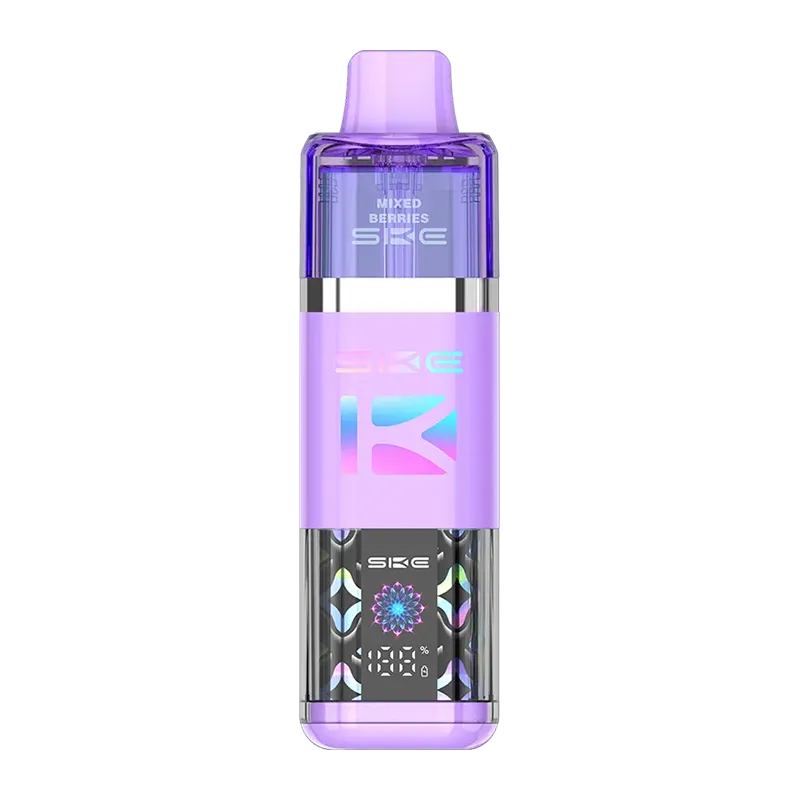
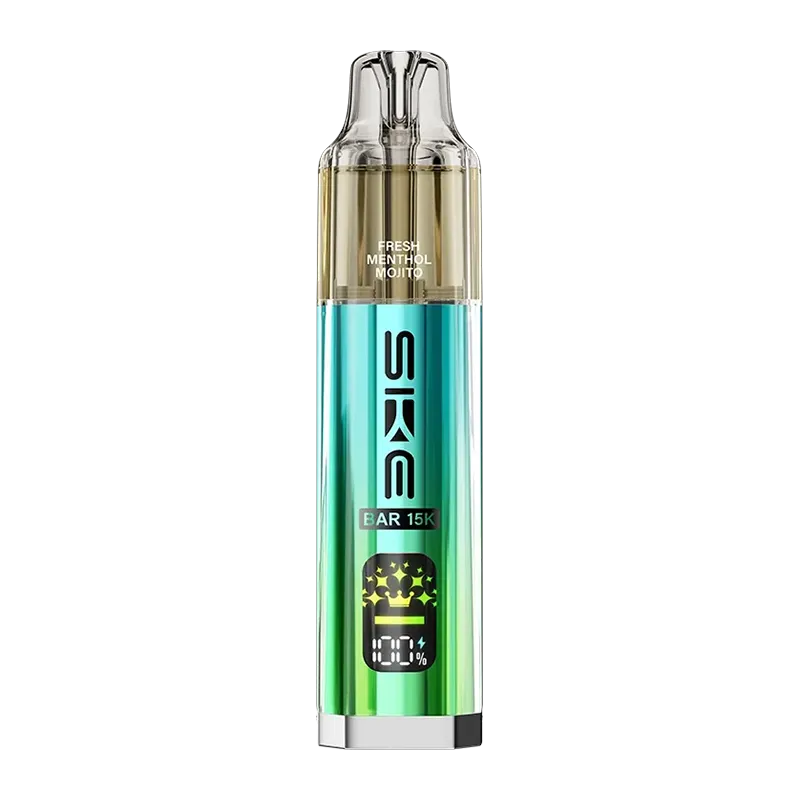
Many disposable vapes taste like:
- Strawberry Ice
- Blue Razz Lemonade
- Mango Peach
- Cotton Candy
- Vanilla Custard
These flavors resemble desserts, leading many people to wonder whether vaping is similar to eating sweets.
The answer lies in understanding what calories actually are.
Calories measure the amount of energy your digestive system extracts from food.
Food provides calories because it is:
- swallowed
- digested
- absorbed through the gastrointestinal tract
- converted into usable energy
Vaping works completely differently.
Instead of eating e-liquid, users inhale an aerosol into their lungs. The lungs are designed primarily for gas exchange, not nutrient digestion. Current evidence does not support treating inhaled vape aerosol as a meaningful dietary calorie source.
Does Vape Juice Contain Calories?
If you looked only at the ingredients themselves, they possess caloric values.
| Ingredient | Approximate Calories (when consumed orally) | Purpose |
|---|---|---|
| Vegetable Glycerin (VG) | ~4.3 kcal/g | Vapor production |
| Propylene Glycol (PG) | ~4 kcal/g | Flavor carrier |
| Nicotine | 0 kcal | Nicotine delivery |
| Flavorings | Negligible | Taste |
However, this does not mean vaping delivers those calories to your body in the same way eating or drinking does.
The key issue is route of exposure:
- Eating → digestive absorption
- Vaping → pulmonary inhalation
Current research has not established a dependable amount of caloric absorption from ordinary vaping, and there is no accepted "calories per puff" value.
Does Nicotine Have Calories?
Nicotine itself contains no meaningful calories.
Instead, nicotine is a pharmacologically active stimulant.
Research suggests nicotine may temporarily:
- reduce appetite
- increase alertness
- slightly increase resting metabolic rate
These physiological effects explain why some smokers and vapers notice changes in appetite, but they are not related to calorie intake.
Can Vaping Make You Gain Weight?
Current evidence suggests not because of calories.
If someone gains weight while vaping, it is more likely related to lifestyle factors such as:
- increased snacking
- reduced physical activity
- higher overall calorie consumption
- changes after quitting smoking
- reduced nicotine exposure
There is no convincing evidence that vaping itself causes weight gain through caloric intake.
Does Vaping Break a Fast?
This question has become increasingly common among people following:
- Intermittent fasting
- OMAD
- Keto diets
From a calorie perspective:
Most experts consider vaping unlikely to meaningfully affect calorie intake because inhaled aerosol is not metabolized like food.
However, fasting is not solely about calories.
Nicotine may influence:
- insulin sensitivity
- stress hormone release
- appetite regulation
For people practicing fasting for metabolic or medical reasons, consulting a healthcare professional is advisable, as evidence remains limited.
Does Sweet Vape Flavor Mean Sugar?
This is another widespread misconception.
Most e-liquids do not contain table sugar.
Instead, sweetness comes from:
- food-grade flavor compounds
- artificial sweeteners
- aroma molecules
These ingredients create the sensation of sweetness without functioning like eating candy.
Therefore, a strawberry-flavored vape should not be equated with consuming a strawberry dessert.
Why Scientific Studies Don't Give an Exact Calorie Number
Readers often ask me:
"How many calories are in one vape?"
The honest answer is:
No reliable scientific study has established an exact calorie count per puff.
This is because researchers would need to determine:
- how much liquid becomes aerosol
- how much aerosol reaches the lungs
- how much is exhaled
- how much is absorbed
- whether absorbed compounds contribute measurable metabolic energy
Those questions remain insufficiently answered in current research, so claims such as "one puff equals X calories" are not supported by robust evidence.
What Health Authorities Focus On Instead
When reviewing guidance from public health organizations, I found that they rarely discuss vape calories.
Instead, authorities focus on established concerns, including:
- nicotine addiction
- respiratory effects
- cardiovascular health
- youth vaping
- exposure to harmful chemicals produced during aerosol generation
From a public health perspective, these risks are considered far more important than calorie intake.
Conclusion
Based on the current scientific evidence, the answer is not in any meaningful dietary sense. While the primary ingredients in e-liquids—vegetable glycerin (VG) and propylene glycol (PG)—contain calories when ingested, there is no reliable evidence that inhaling vape aerosol contributes measurable calories to your daily energy intake.
If you're counting calories or following a weight management plan, vaping is generally not considered a source of dietary calories. However, it's important to remember that this does not make vaping risk-free. Health experts continue to warn about the potential health effects of nicotine and e-cigarette aerosol. For the most accurate information, rely on guidance from reputable health organizations and emerging scientific research rather than common myths circulating online.
FAQs
1. Does vaping have calories?
For practical nutrition purposes, no. Although VG and PG contain calories when eaten, there is no reliable evidence that inhaling vape aerosol contributes meaningful calories to your daily intake.
2. Does nicotine contain calories?
No. Nicotine is not a source of dietary energy and does not contribute calories.
3. Can vaping cause weight gain?
There is no evidence that vaping causes weight gain because of calories. Any weight changes are more likely related to appetite, eating habits, lifestyle, or changes in nicotine use.
4. Does vaping break intermittent fasting?
From a calorie perspective, vaping is unlikely to meaningfully affect a fast. However, nicotine may influence hormones and appetite, so people fasting for medical or metabolic reasons should seek individualized advice.
5. Why do sweet-flavored vapes taste sugary if they have no calories?
The sweet taste comes from flavoring compounds or sweeteners rather than table sugar. Taste does not necessarily indicate meaningful calorie intake.
References
[1] Verywell Health. Does Vaping Make You Lose Weight
[2] Calorie Pages. Why Vape Calorie Claims Don't Hold Up